


Specific Tour
10 people
English, Urdu
Pakistan in winter offers a remarkable blend of history, culture, and scenic beauty. The “Winter Highlights of Pakistan – 08 Days” tour takes travelers on an unforgettable journey through some of the country’s most fascinating cities and UNESCO World Heritage sites. From the cultural heart of Lahore to the snow-covered valleys of Swat and the ancient ruins of Taxila and Takht-e-Bhai, this tour showcases Pakistan’s rich heritage and diverse landscapes.
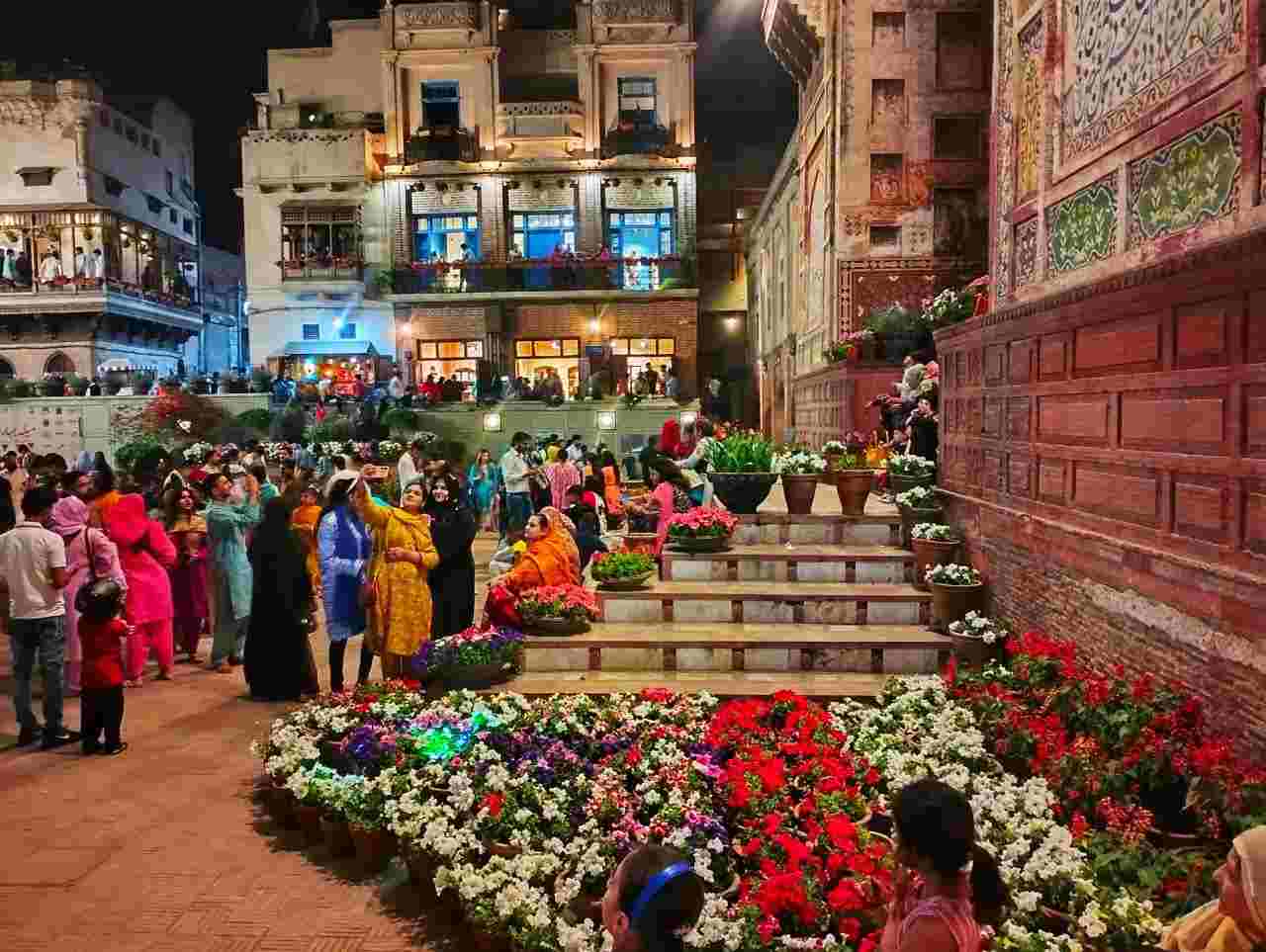
The journey begins in Lahore, the cultural capital of Pakistan, renowned for its magnificent Mughal architecture, lively bazaars, delicious cuisine, and vibrant traditions. During winter, the city’s pleasant weather makes sightseeing enjoyable and comfortable. The historical monuments, bustling markets, and warm hospitality of Lahore leave every visitor captivated.
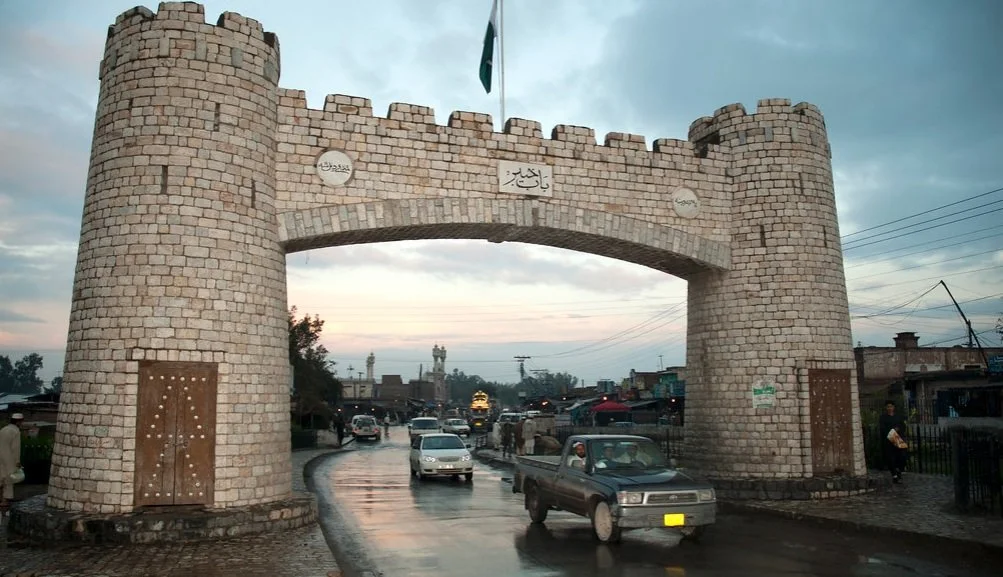
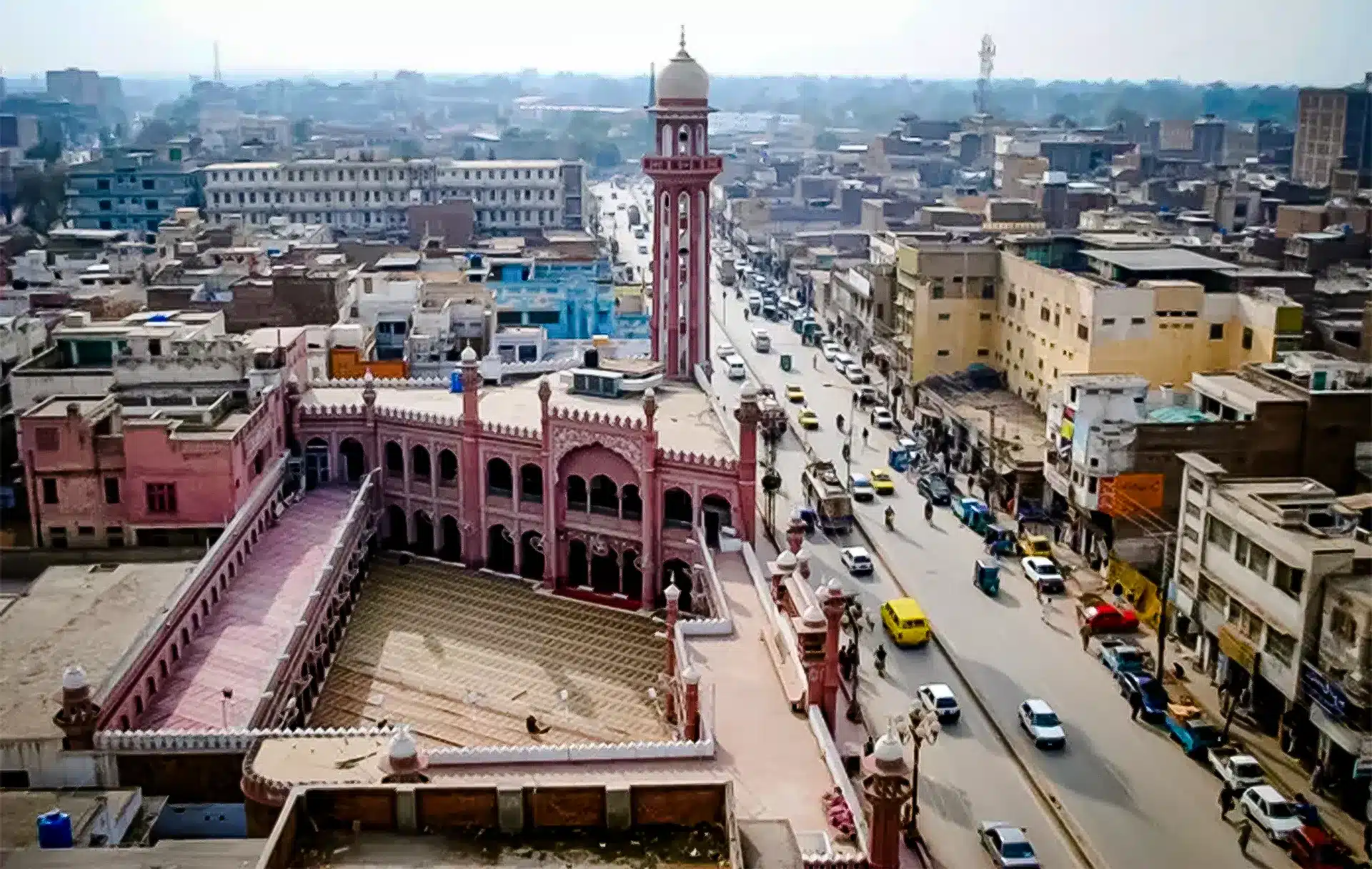
The tour continues to Peshawar, one of South Asia’s oldest living cities. Situated at the historic crossroads of Central and South Asia, Peshawar has served as a gateway for traders, travelers, and conquerors for centuries. Its ancient bazaars, traditional handicrafts, and unique cultural atmosphere provide visitors with an authentic experience of Pakistan’s rich heritage.
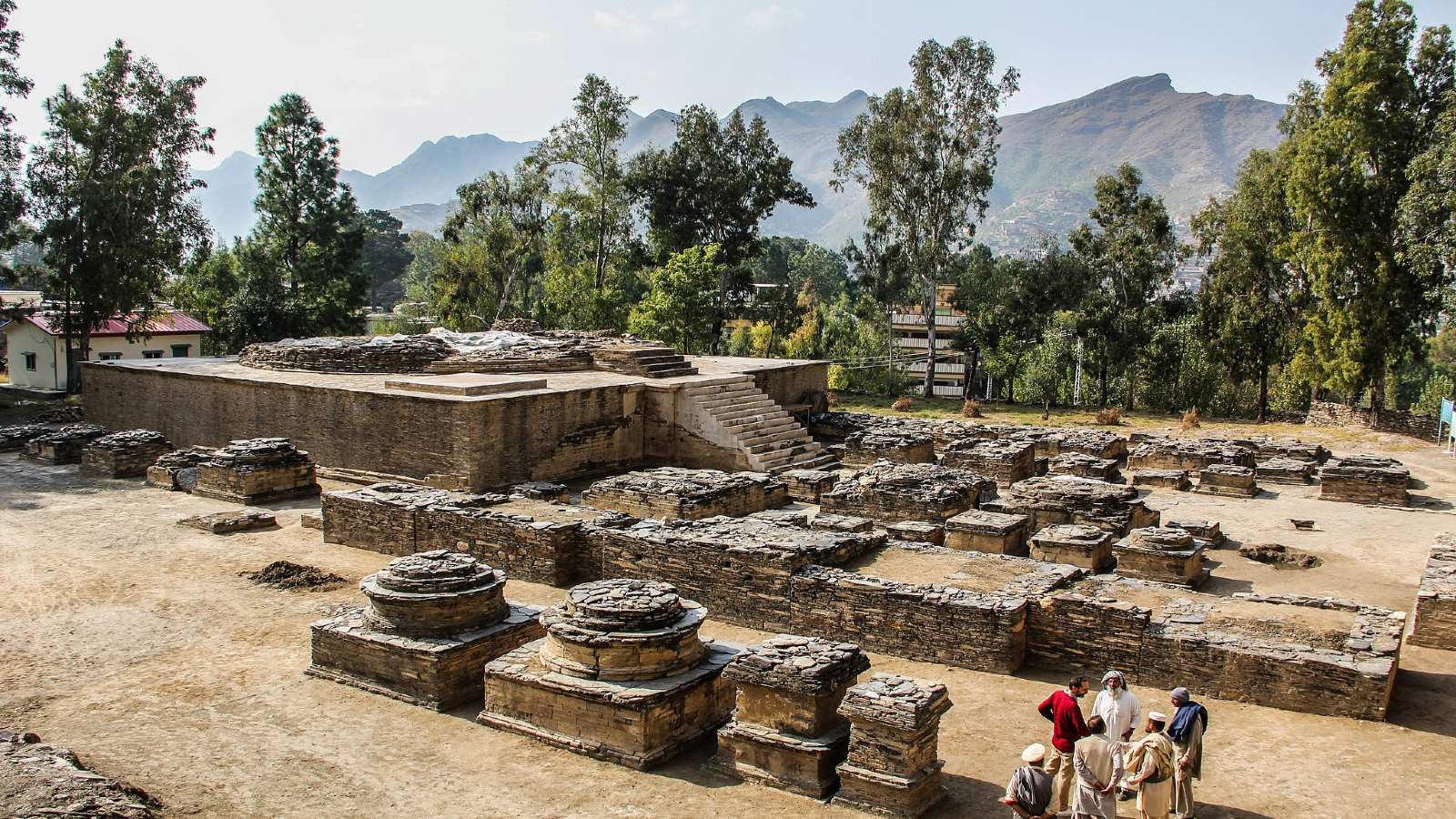
A highlight of the journey is the visit to Takht-e-Bhai, one of the most important Buddhist archaeological sites in the world. This UNESCO World Heritage Site features remarkably preserved monastery ruins dating back nearly two thousand years. The ancient structures offer fascinating insights into the Gandhara civilization and the spread of Buddhism throughout the region.
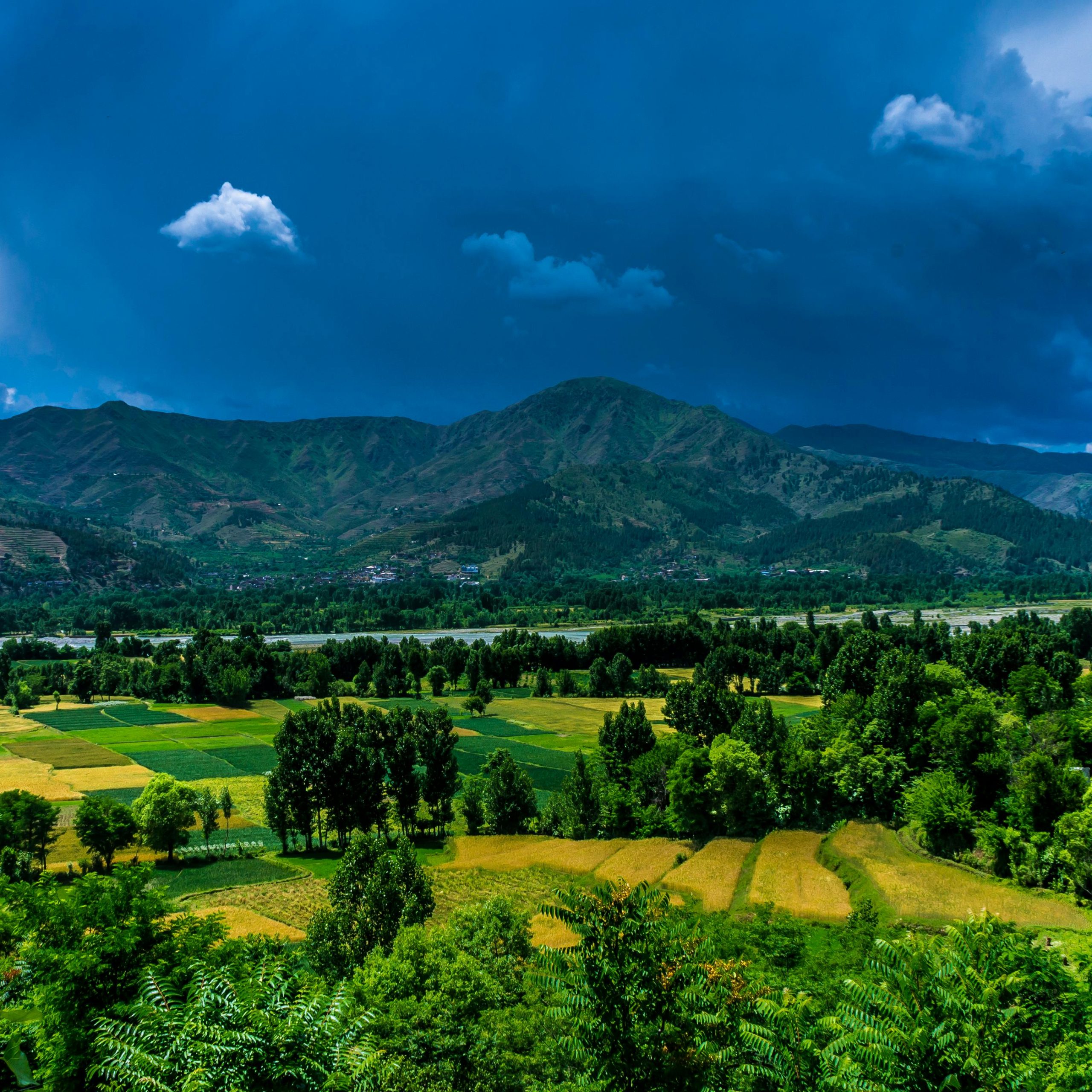
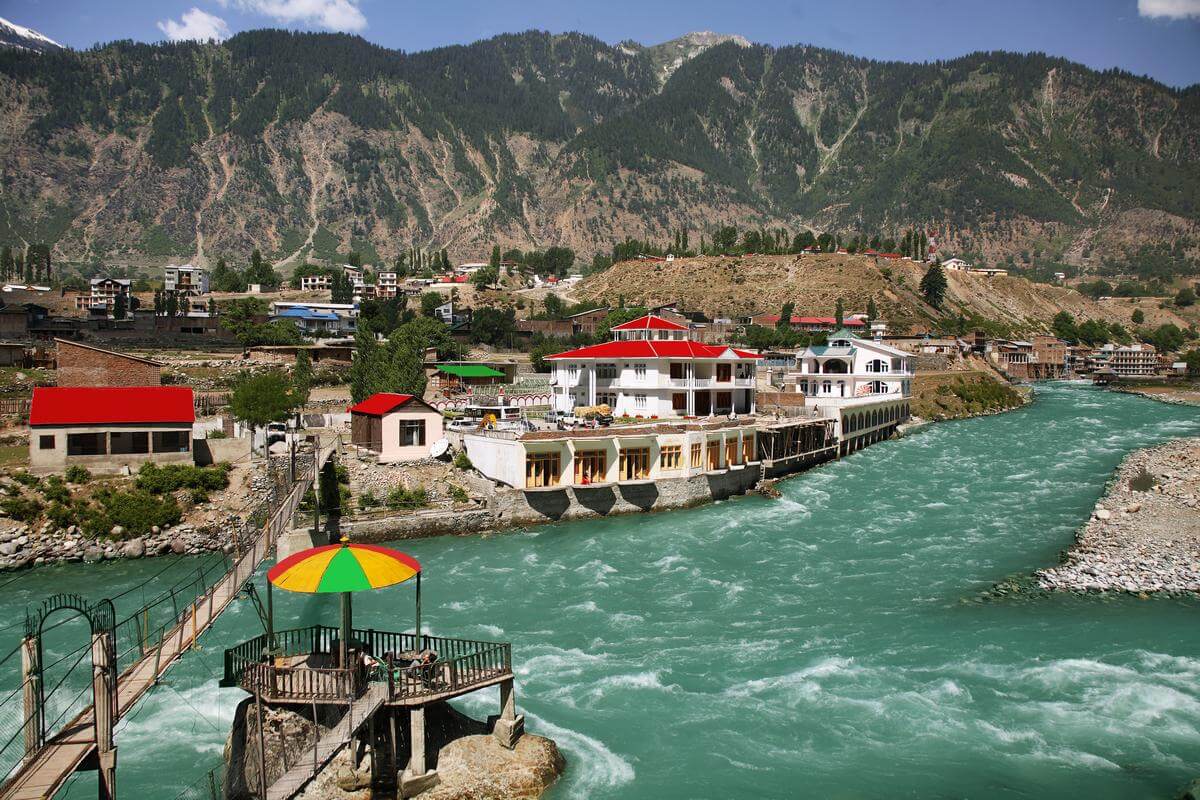
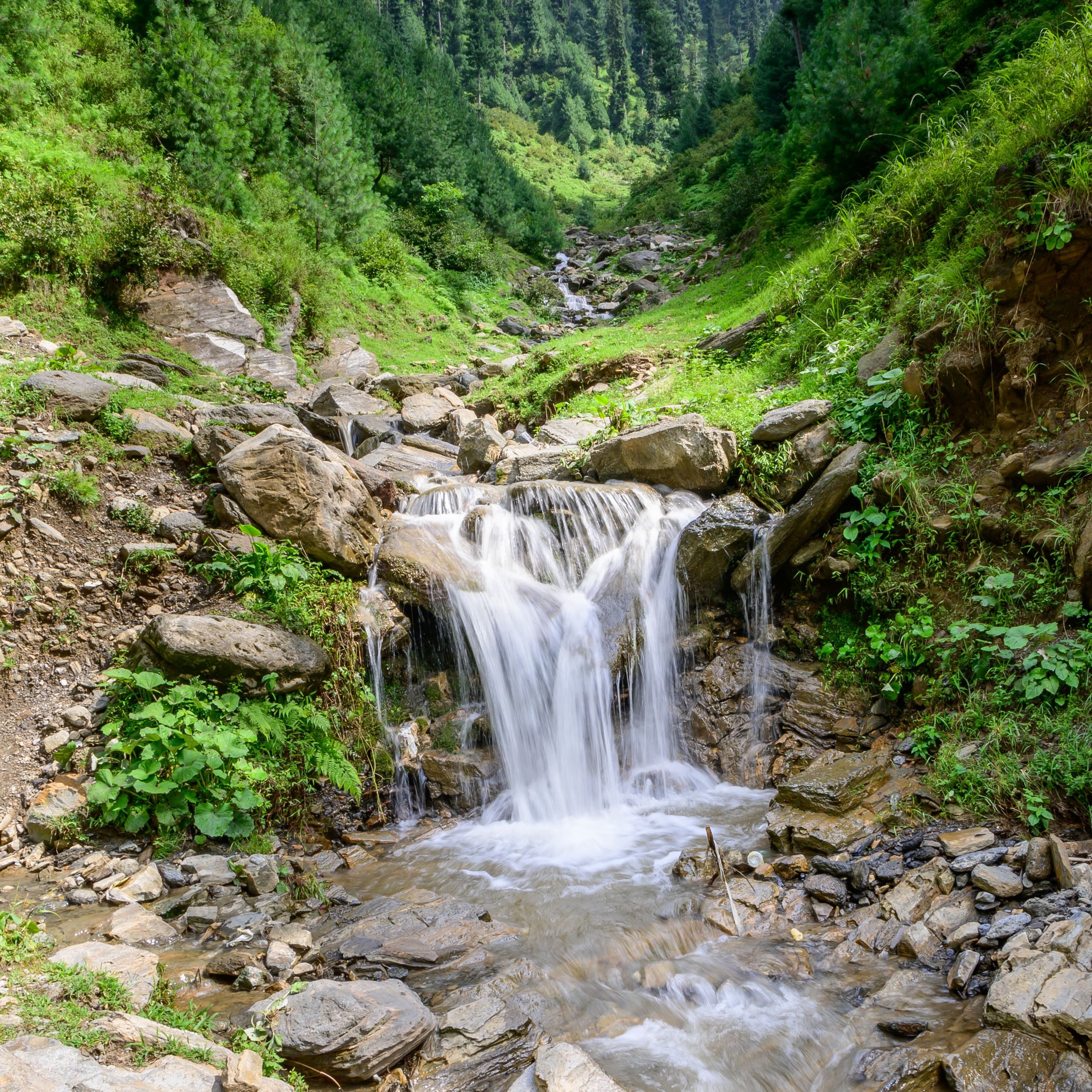
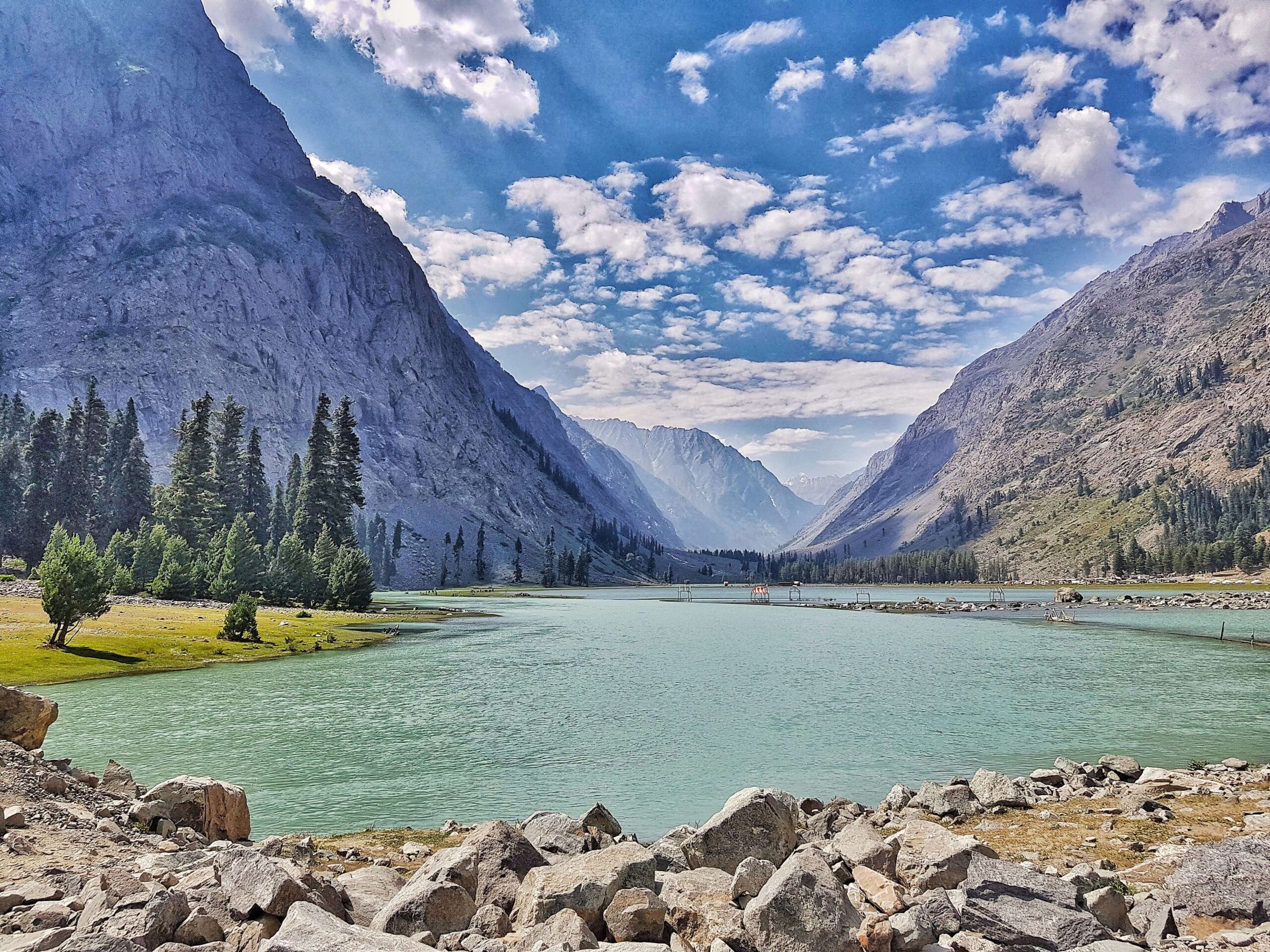
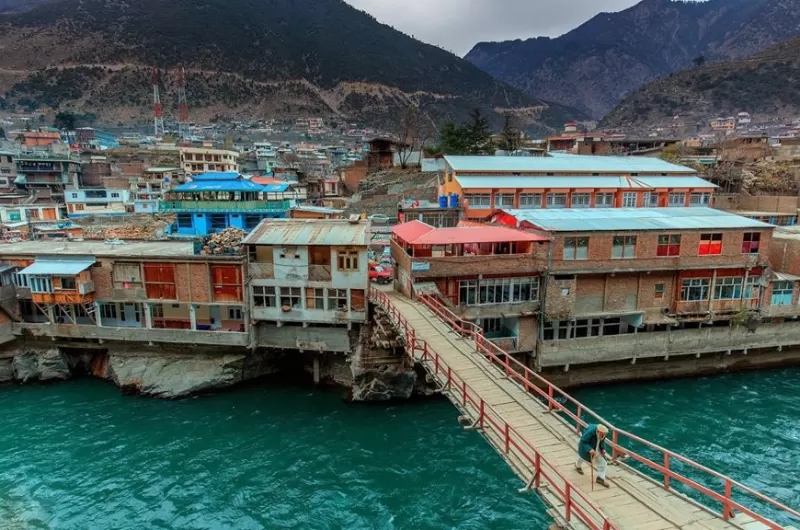
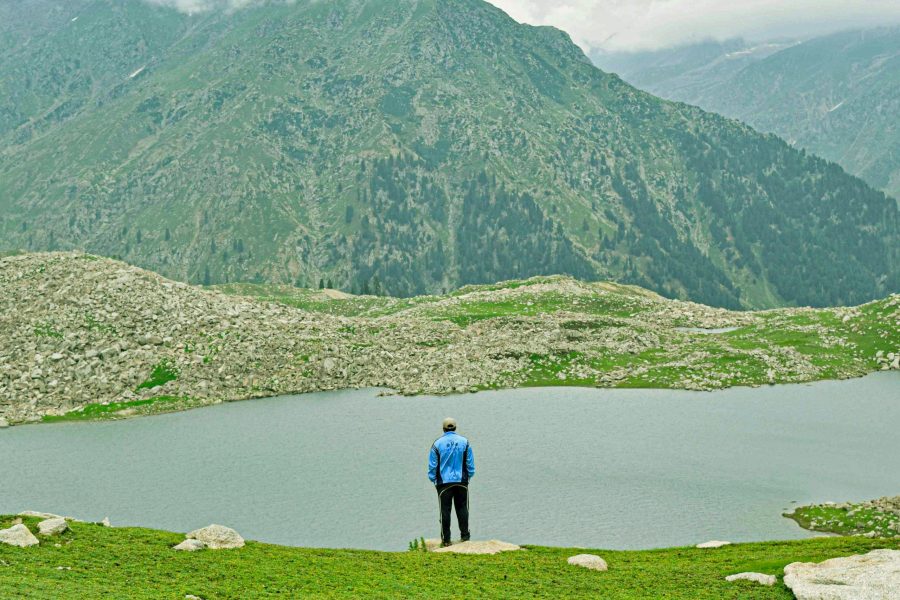
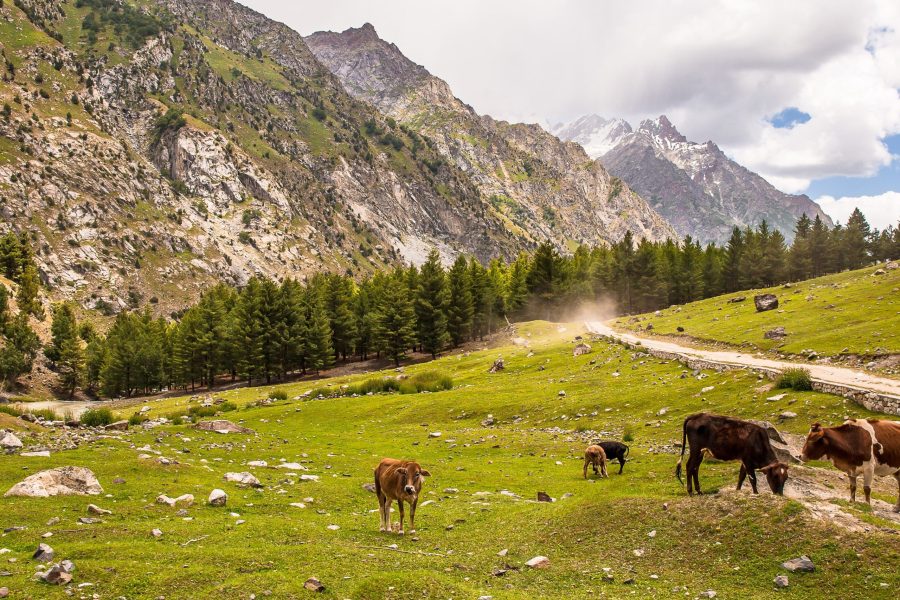
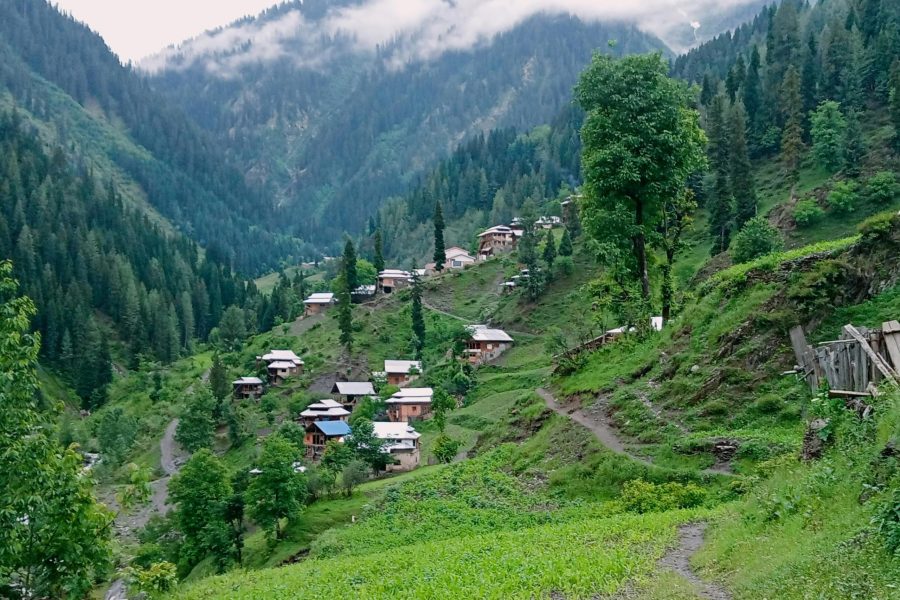
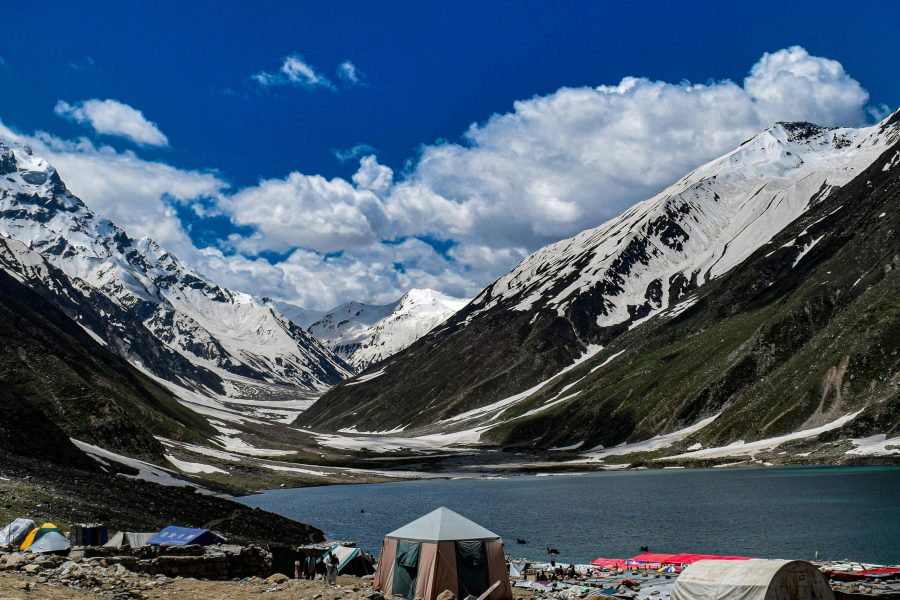
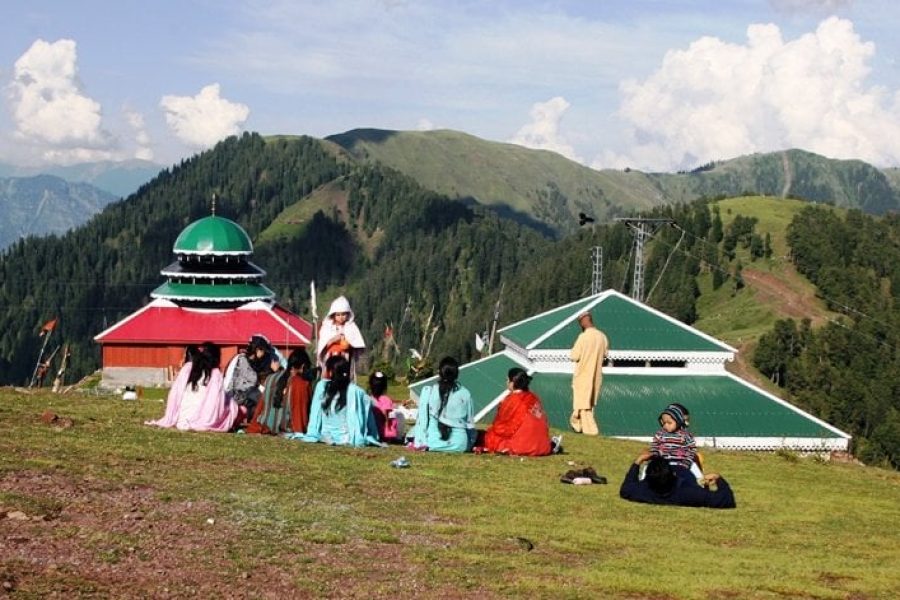
The tour then moves toward Swat Valley and Saidu Sharif, often called the “Switzerland of the East.” During winter, Swat transforms into a magical wonderland with snow-covered mountains, pine forests, and picturesque valleys. Saidu Sharif, the administrative center of Swat, is known for its cultural significance, historical landmarks, and peaceful atmosphere. The breathtaking scenery and serene environment make Swat one of Pakistan’s most enchanting winter destinations.
The journey proceeds to Rawalpindi and Islamabad, the twin cities of Pakistan. Rawalpindi offers traditional bazaars and historical charm, while Islamabad impresses visitors with its modern architecture, organized layout, and scenic surroundings. The capital city is particularly beautiful in winter, with clear skies and views of the Margalla Hills.
Another significant destination is Taxila, one of the world’s most important archaeological treasures and a UNESCO World Heritage Site. Once a major center of learning and culture in the ancient Gandhara civilization, Taxila houses remarkable ruins, monasteries, and museums that attract history enthusiasts from around the globe.
The tour concludes with a visit to the magnificent Rohtas Fort, an extraordinary example of medieval military architecture. This UNESCO World Heritage Site stands as a testament to the engineering brilliance of the sixteenth century and offers visitors a glimpse into Pakistan’s rich historical legacy.
This eight-day winter journey perfectly combines history, culture, archaeology, and natural beauty, providing travelers with an enriching experience and unforgettable memories of Pakistan’s timeless wonders.
| Tour 1 | Tour 2 | Tour 3 | Tour 4 |
| Oct 03 to Oct 10, 2026 | Oct 24 to Oct 31, 2026 | Nov 14 to Nov 21, 2026 | Dec 05 to Dec 12, 2026 |
| Tour 5 | Tour 6 | Tour 7 | Tour 8 |
| Dec 26 to Jan 02, 2027 | Jan 16 to Jan 23, 2027 | Mar 13 to Mar 20, 2027 | Mar 27 to Apr 03, 2027 |
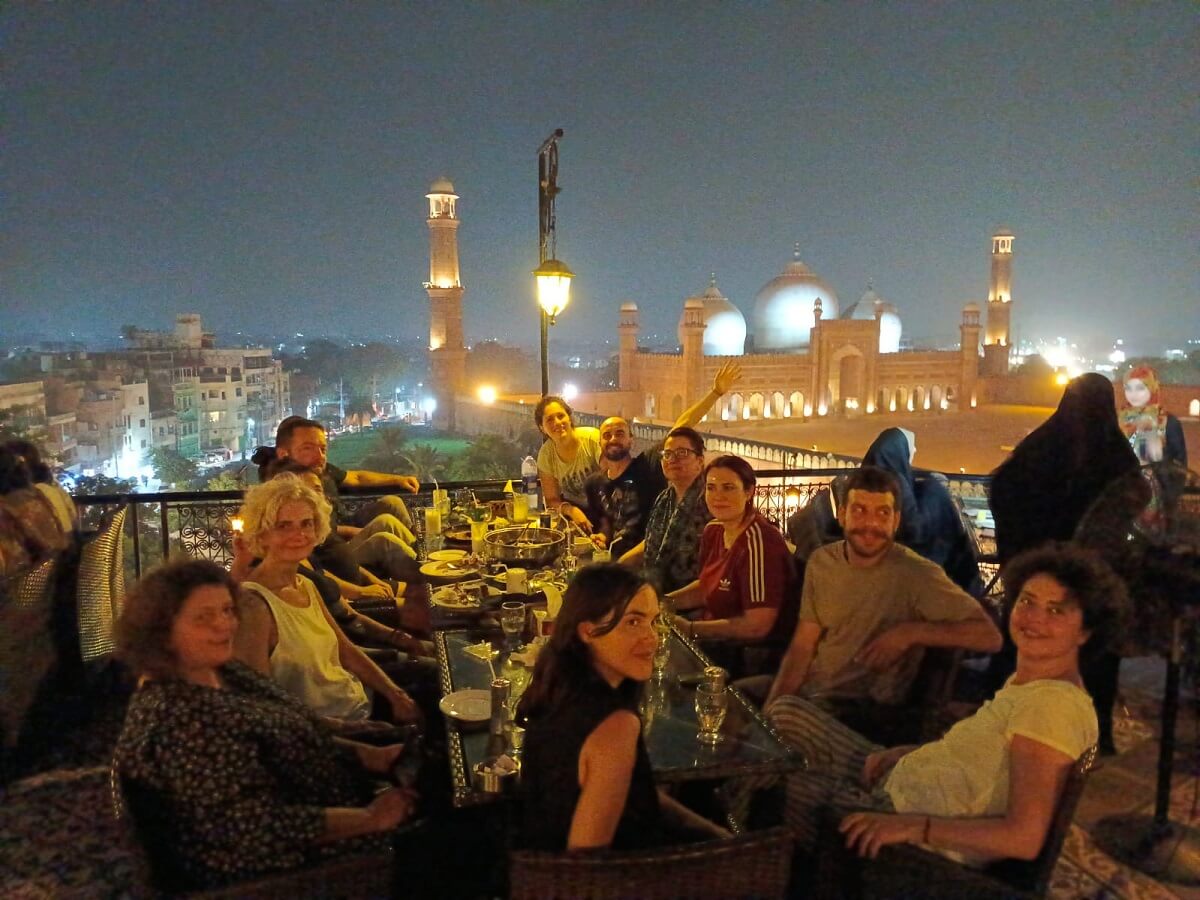
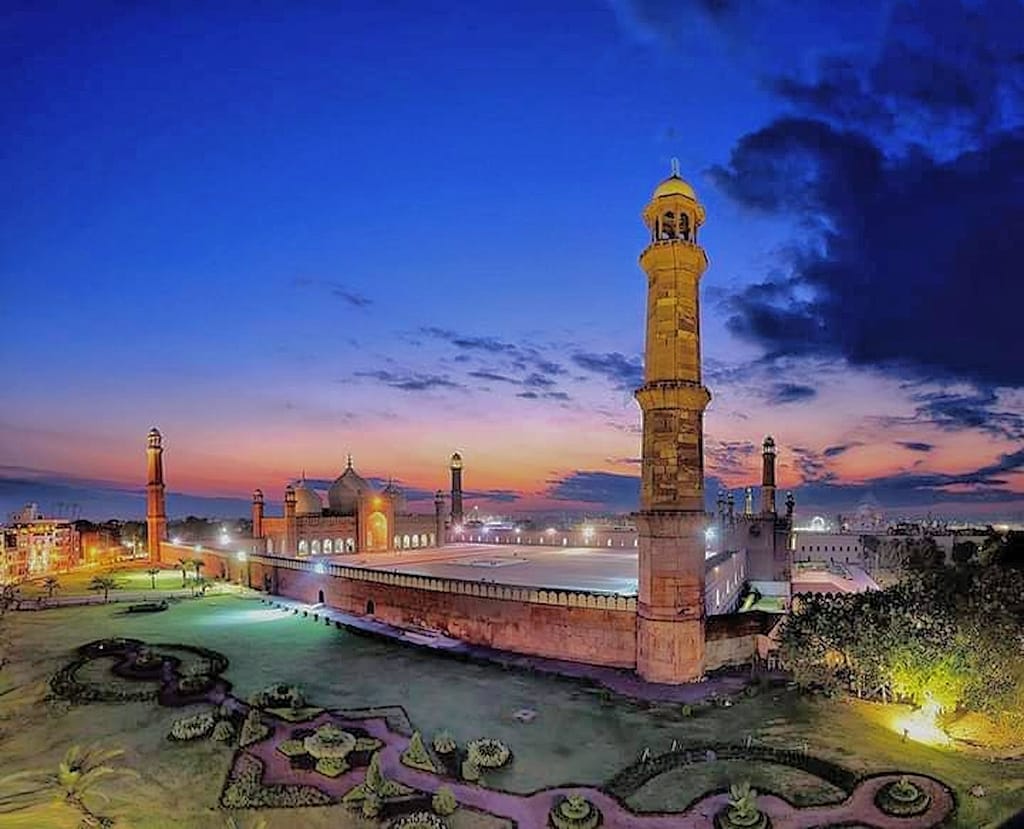
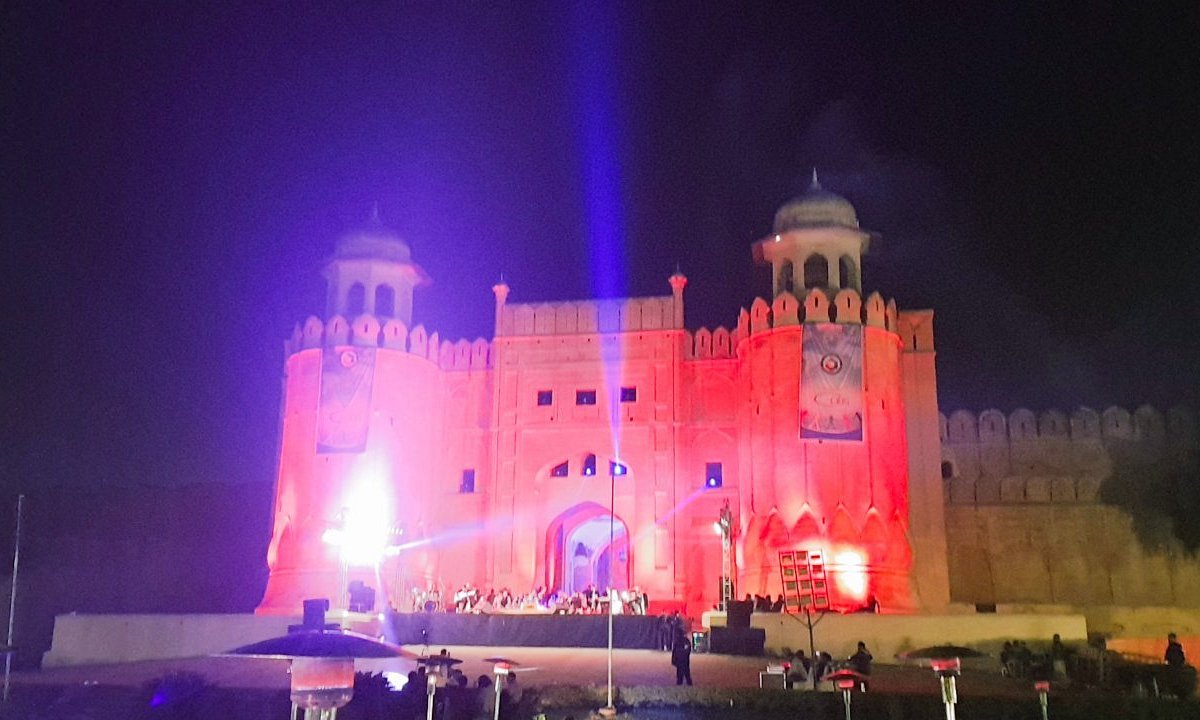
After breakfast begin a full day tour of Lahore. The historic capital of both the Mughal and Sikh empires, the city also played a significant part in the British governance of the Punjab. Home to a remarkable collection of cultural and historic highlights, your tour includes visits to the Lahore Museum—established in 1864-1865 by the British— which displays collection of the Mughal and Sikh eras, relics of the Indus Valley Civilization and Gandharan Art; Badshahi Mosque commissioned by Emperor Aurangzeb in 1671, with construction of the mosque lasting for two years until 1673 and which is regarded as one of the largest mosques in the world and can accommodate up to one hundred thousand worshipers at a time; and Lahore Fort which now enjoys the status of a “World Heritage Site” and was constructed by the Mughal Emperor Akbar during the period 1556-1605 on the ruins of an ancient Fort called “Lohawar” (meaning as strong as iron). In the afternoon visit Wazir Khan Mosque built in 17th century by Sheikh Alim-ud-Din Ansari (known as Wazir Khan) and the Famous ShahiHamam (royal bath) that has been recently renovated and won a prestigious award for fine restoration. We will then go to Anarkali Bazaar, famous for its shopping and named after a dancing girl who caught the fancy of Prince Salim, a son of Mughul Emperor Akbar. Return to the hotel for overnight.
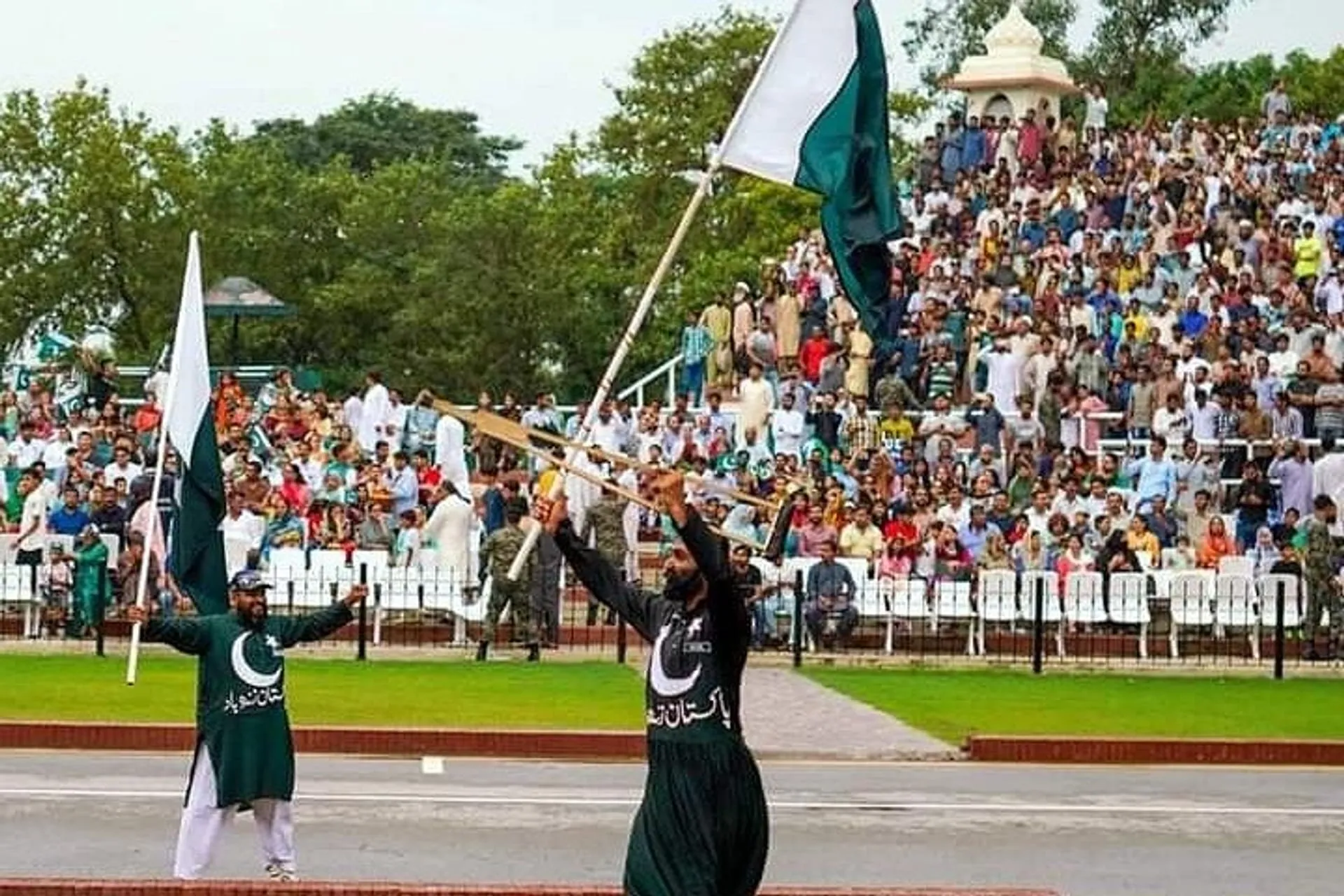
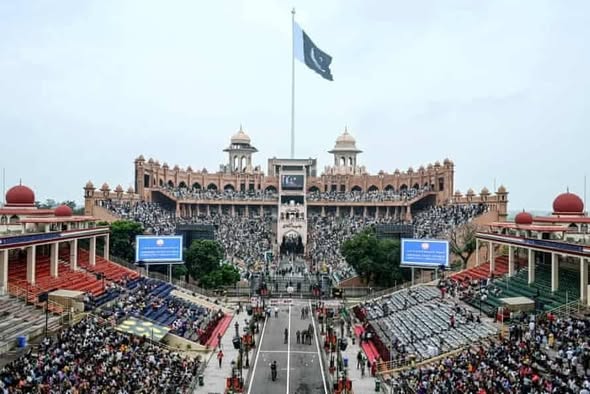
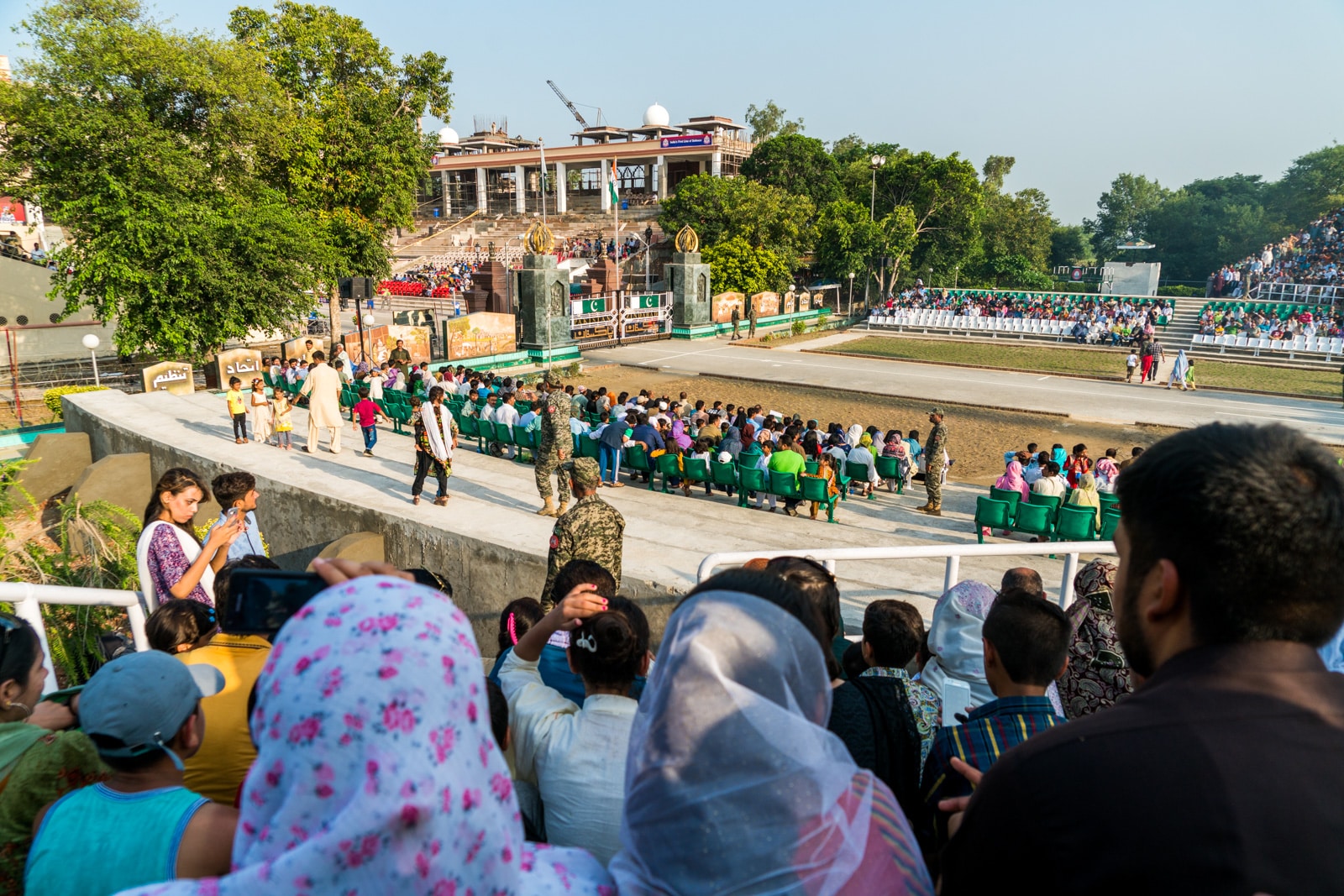
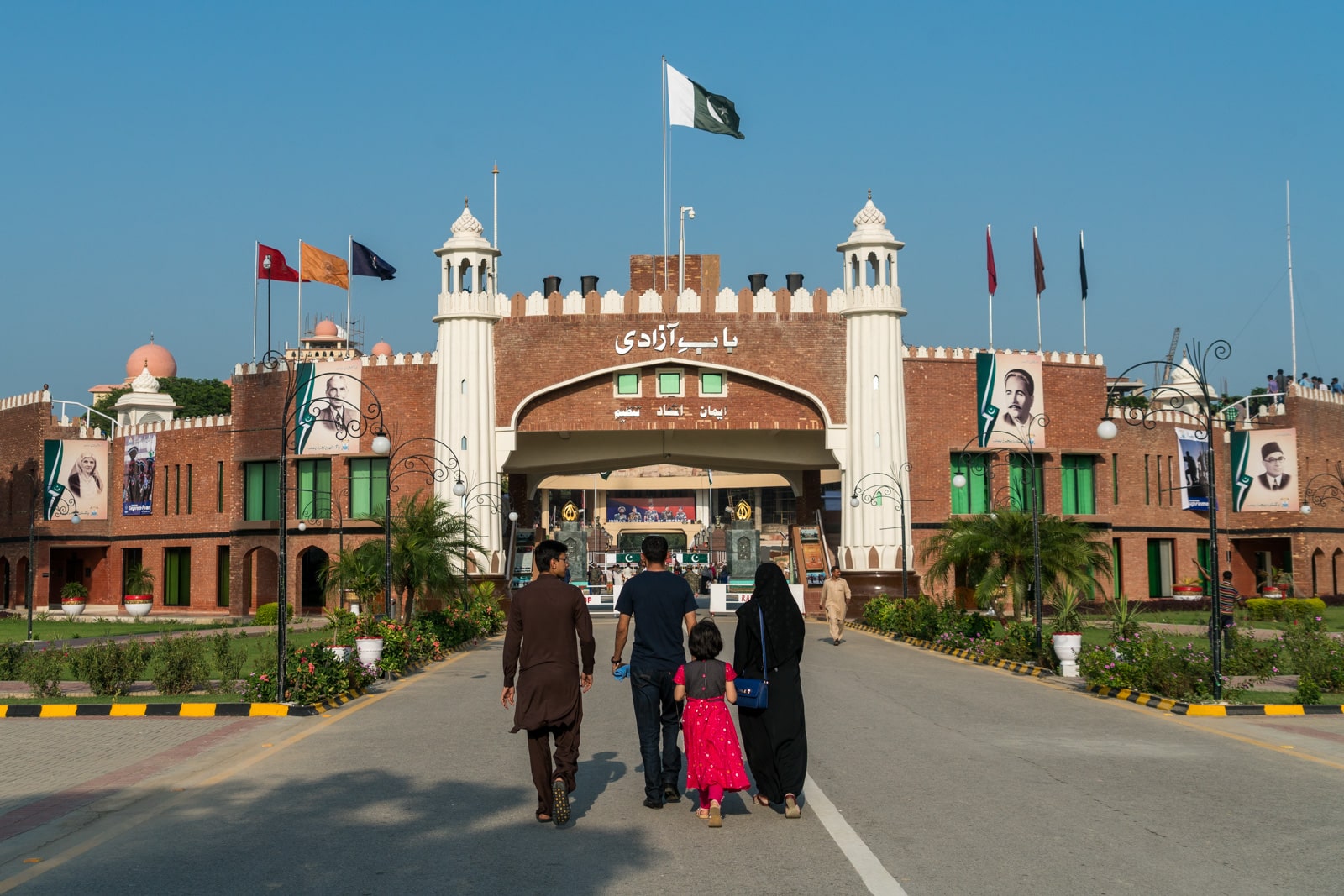
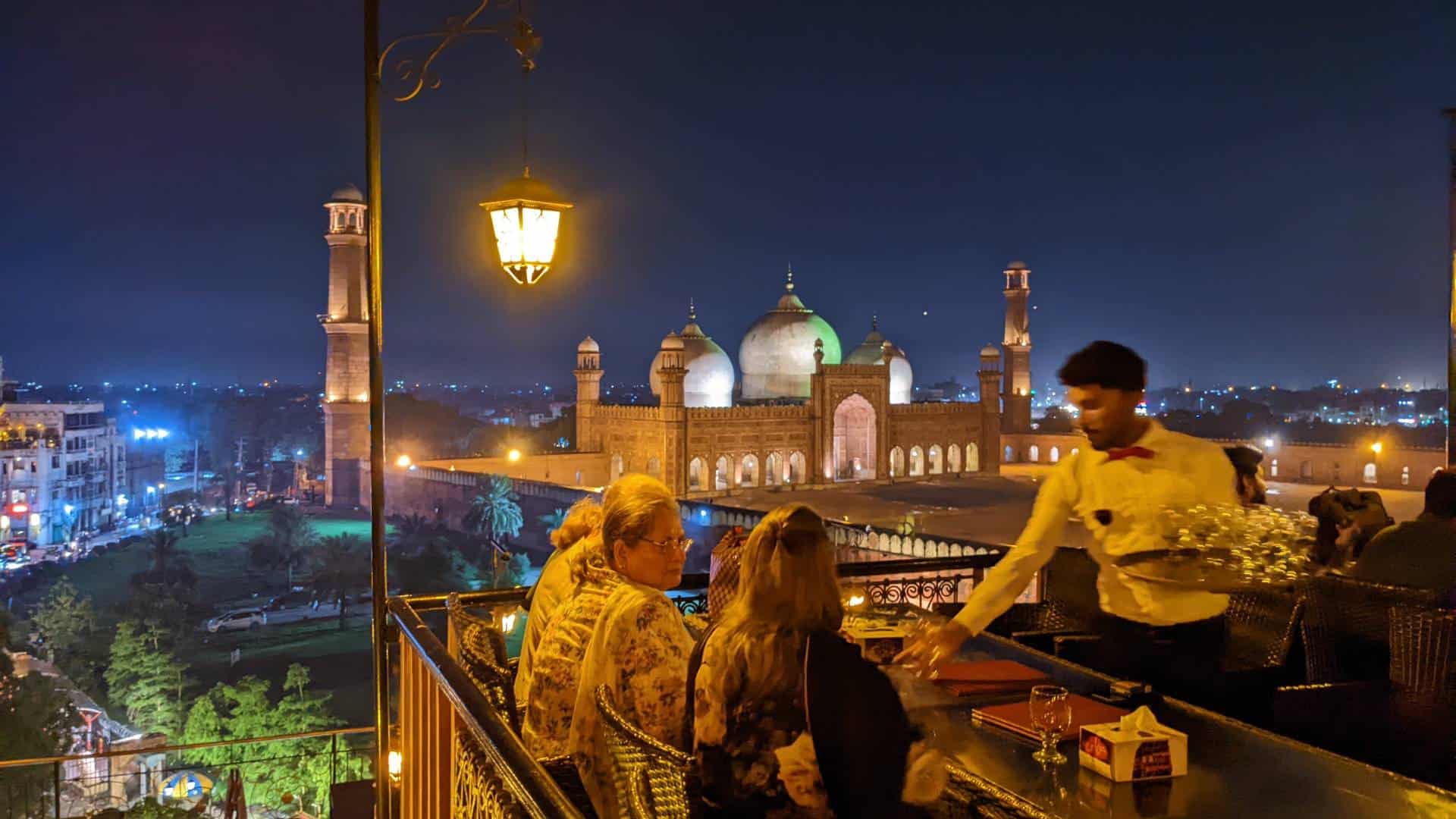
This morning we will visit Jahangir’s Tomb, the only Mughal Emperor buried in Lahore and Noor Jahan’s Tomb once richly decorated with floral fresco paintings on lime plaster. The Dilkusha Garden in which he is buried was a "favourite spot" of Jahangir and his wife NurJahan, when they lived in Lahore. Though historians attribute construction of the tomb to Jahangir's son Shah Jahan, the tomb may have been the result of NurJahan's vision. She is said to have designed the mausoleum in 1627, and possibly helped fund it. Construction started in 1627 and required ten years for completion. Return to the hotel for some rest and then in the afternoon visit Shalimar Garden World Heritage Site (constructed by Emperor Shah Jahan in 1647), and visit Wagah border for witnessing the “Flag Lowering Ceremony”-- the lowering of the flags ceremony at the Wagah border is a daily military practice that the security forces of India and Pakistan have jointly followed since 1959. The drill is characterized by elaborate and rapid dancelike maneuvers. Huge crowds on both sides of the border raise patriotic slogans during the ceremony. Drive back to Lahore and return to the walled city to watch the Sufi Music (only on Thursday) and enjoy a special local dinner, where one has the opportunity to mingle with locals out for the evening. Overnight at the hotel.
After breakfast drive to Islamabad en-route visit the Kewra Salt mines which are the second largest salt deposits in the world. The mine is famous for its production of Pink Himalayan Salt and is a major tourist attraction, drawing up to 250,000 visitors a year. Its history dates back to its discovery by Alexander's troops in 320 BC, but it started trading during the Mughal era. The main tunnel at ground level was developed by Dr. H. Warth, a mining engineer, in 1872 during the British rule. After visiting Kewra, continue the drive to Dina to visit Rohtas Fort, a historical garrison fort located near the city of Jhelum. It was built in the 1540s under Afghan king Sher Shah Suri, to subdue the rebellious tribes of Gakhars of the northern Punjab region. This fort is about 5 km in circumference. The Rohtas fort was built to crush the local tribes of Potohar, who rebelled against the Sur dynasty after the Mughal emperor Humayun was ousted by the former. Continue your drive to the twin cities of Rawalpindi-Islamabad and upon arrival, check into the hotel.
Today we begin with a short city tour of the twin cities of Rawalpindi-Islamabad. Our first stop will be the modern Faisal Mosque which can seat over 100,000 and is shaped like a Bedouin tent. Next we will go to Shakerparian (or Sweet Hills) from where we will get a bird’s eye view of Islamabad. Nearby are the Pakistan Monument and the Folk Heritage Museum, which we shall also visit. We will then continue our drive to Taxila, which is enroute to Peshawar. Sir John Marshal excavated Taxila between 1913 & 1939 and this Buddhist site is known as an archeological paradise and includes the remains of three cities, Buddhist monasteries and Stupas. The History of Taxila spans nearly 1000 years (6th Century BC to 5th century AD). Visit Taxila Museum, Bhir Mound (600 BC city remains), DharmarajikaStupa from the Ashoka period (3rd Cent. BC) and Sirkap (2nd century BC remains of Bactrian Greek city). Continue to Peshawar and check in to the hotel for overnight.
This morning we start with a visit to Peshawar Museum, a most impressive building previously known as Victoria hall built in 1905 (and which British officers and soldiers once used as a dancing hall) and now serving as the museum. Here one can find priceless collection of Gandharan art which is beautifully displayed. We will proceed for a visit to Peshawar’s fabled “street of story tellers”—QissaKhwani Bazaar—which is known as the Piccadilly of central Asia, Coppersmiths Bazaar, Peshawar Pottery, Bird Bazaar, Grain Bazaar, Andarshah Bazaar, Peshawar’s last remaining Mughal Mosque, the seventeenth century Mahabat Khan Mosque, and Cunningham Clock tower. Overnight at the hotel.
After breakfast drive to Swat, enroute visiting Takht-e-Bahi Buddhist Monastry (World Heritage site). The Buddhist Ruins of Takhi-e-Bahi (Throne of Origins) are a monastic complex founded in the early 1st century A.D., spectacularly positioned on various hilltops. The Monastery, whose buildings were constructed of stone in Gandharapatterns, was in use until the 7th century AD. It is the most complete Buddhist monastery in Pakistan. On arrival at Swat, check in to the hotel.
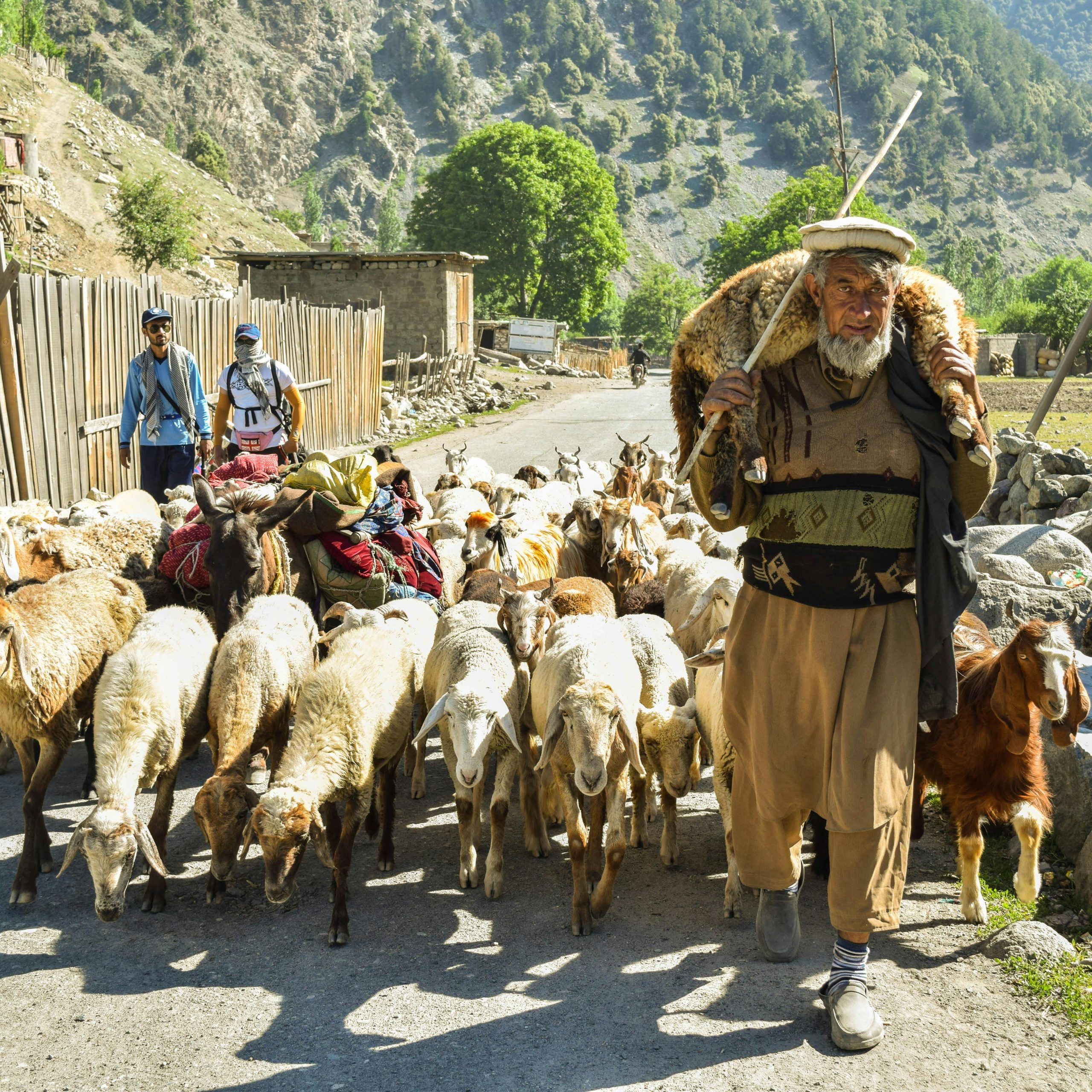
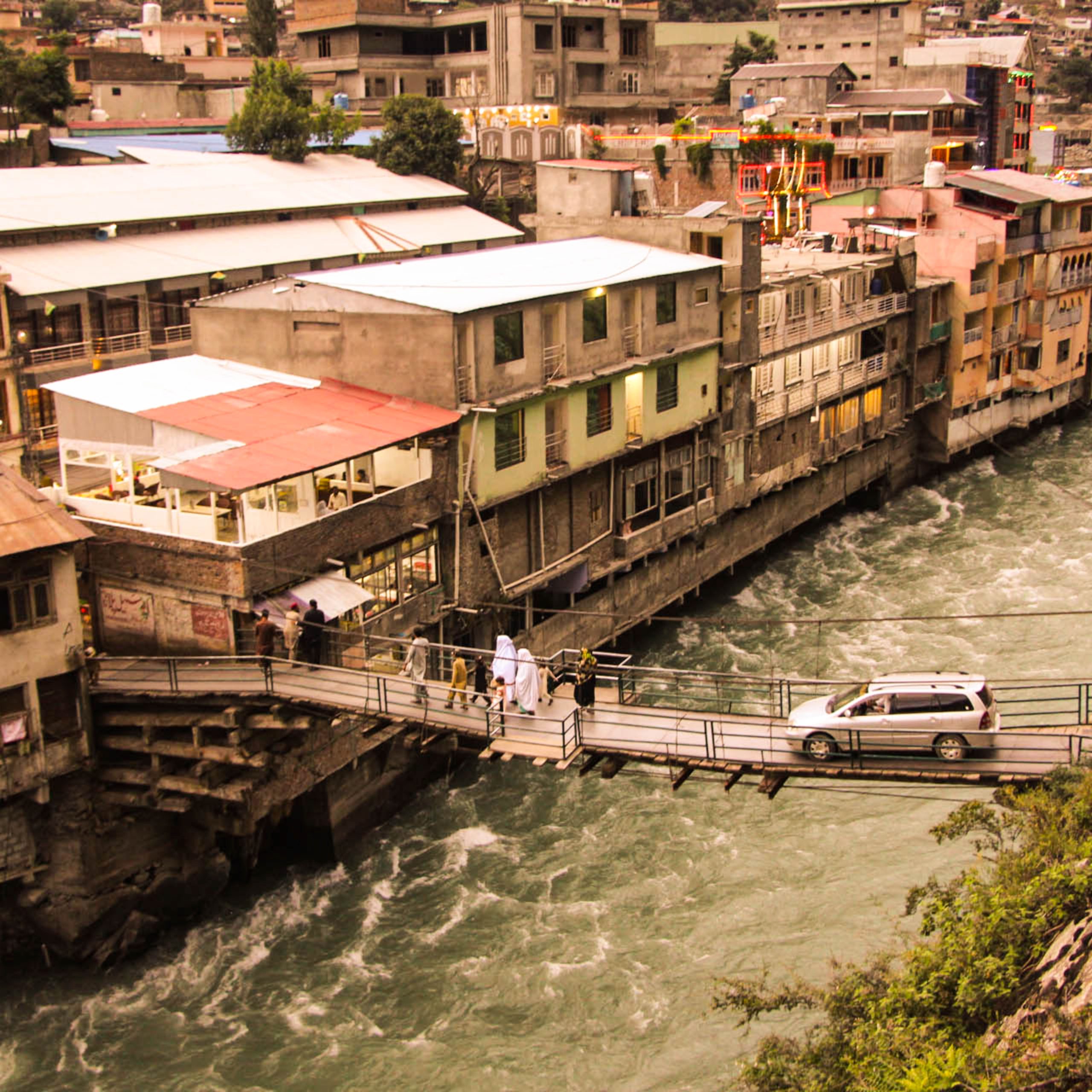
Swat is a land that shines with fruit laden orchards, flower filled slopes, meandering rivers, tumbling streams and is surrounded by the mighty ranges of the Hindu Kush and the Karakoram. The valley is 1200 meters above sea level and Saidu Sharif and Mingora form the twin capitals of this area. Begin the sightseeing tour of Swat including the Swat Museum, established in 1959 by the Wali-e-Swat. Its display was redesigned in the early 1990s by the Japanese and is one of the finest examples of Buddhist art in the country. Beside Buddhist Art, the museum also houses an ethnological collection. After the museum, visit the Saidu Baba Mosque which was built in memory of the former King of Swat and then the famous archaeological sites of Butkara I, and SaiduStupa. Another 4 km away are theGhaligai Rock Buddhas, facing the river Swat. In the afternoon visit Mingora Bazaar, the commercial center worth visiting as Swat is famous for its embroidered textiles, wood work and for its semi-precious stones, such as emeralds and rubies. Then continue to Murghazar, the old white palace constructed from white marble and adorned with ornate carvings. Return to the hotel.
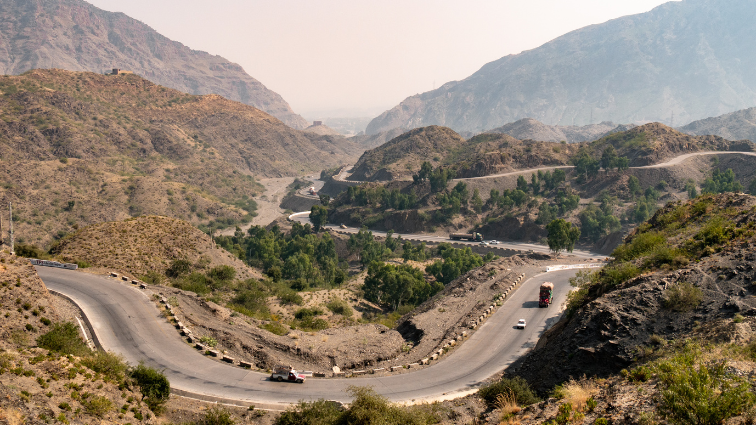
After breakfast, return to Rawalpindi-Islamabad passing through the Malakand Pass, Chakdara (where Sir Winston Churchill was once stationed) and follow the Grand Trunk Road through Mardan and on to the new Motorway to Rawalpindi.
End of Our Services

Member Since 2026

Leave a review