

6 days 5 nights
Specific Tour
10 people
English, Urdu
Rawalpindi was an important garrison town for the British during the campaign against the Afghan tribes and became headquarters for the Northern Command. Coming under British control in 1849 when the Sikh dominions came under British rule, the town was developed as a major supply post. However, due to the heat of the city, officers established several small “hill stations’ where their families would retreat to escape the sizzling summers. These hill stations were ultimately linked with Srinagar, and the Rawalpindi-Srinagar road was a busy thoroughfare before partition in 1947. As such the road landscape is dotted with remnants of British houses and supply posts, some of which to this day are being used by the Pakistan Army.
| Tour 1 | Tour 2 | Tour 3 |
| Jul 10 to Jul 15, 2026 | Aug 14 to Aug 19, 2026 | Sept 11 to Sept 16, 2026 |
| Tour 4 | Tour 5 | |
| Oct 09 to Oct 14, 2026 | Nov 13 to Nov 18, 2026 |
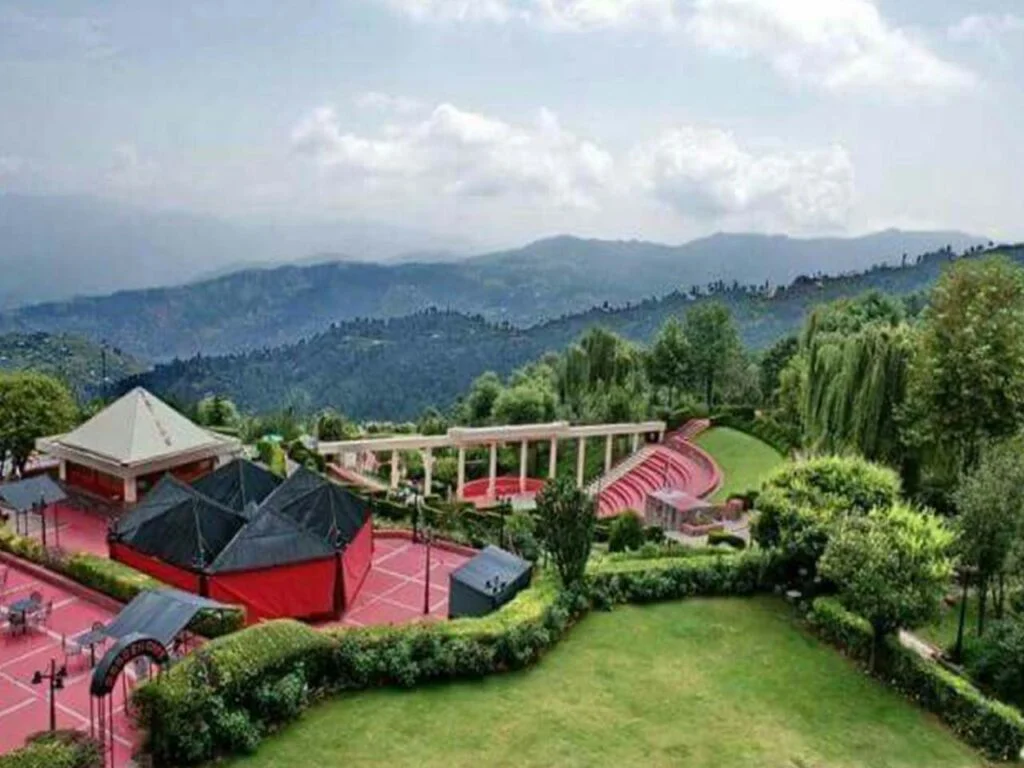
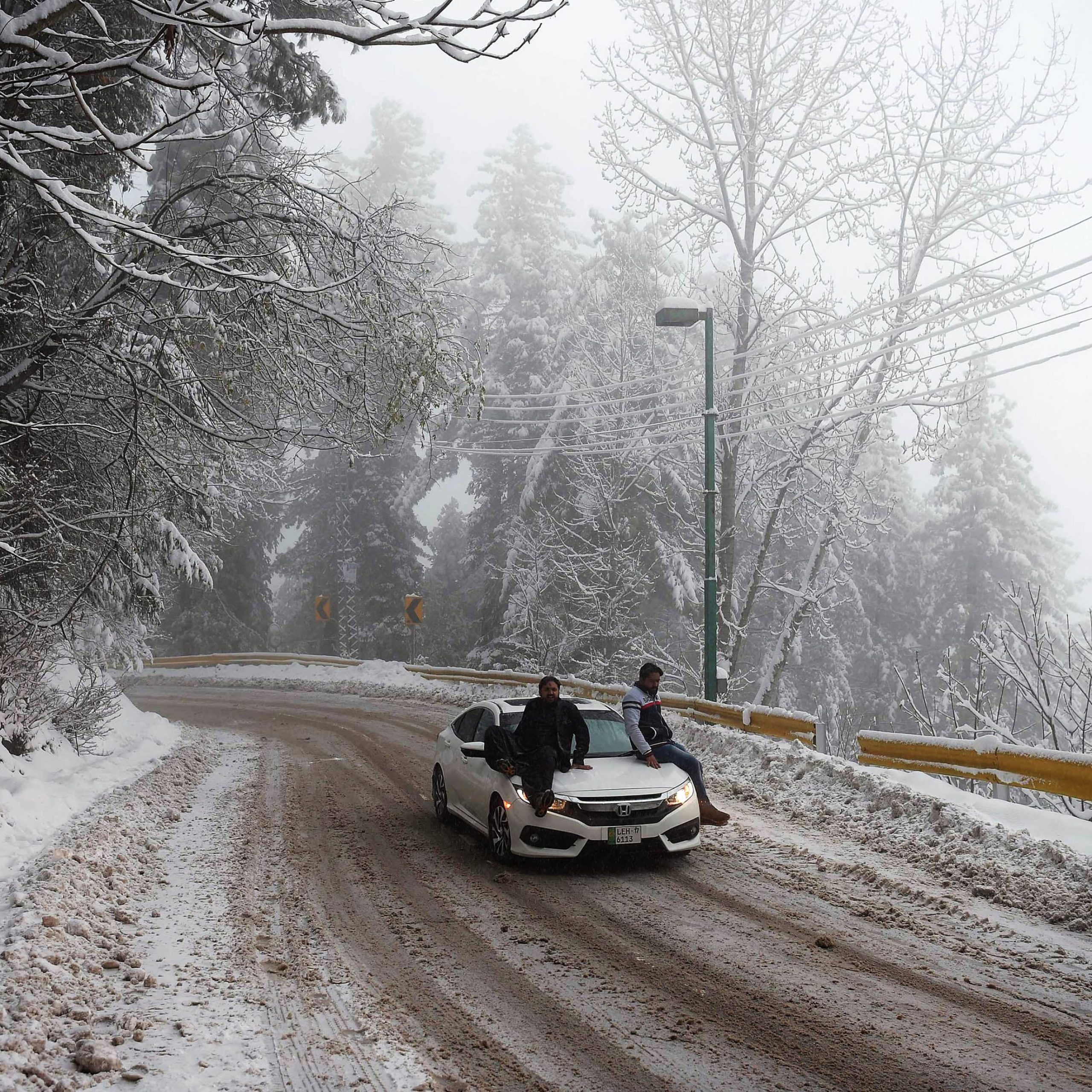
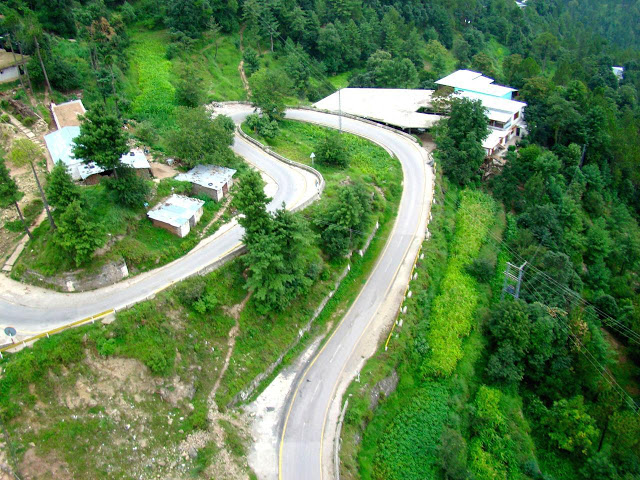
After being picked up, drive to Murree a popular hill resort, which was once the famous summer hill station for the British Army during colonial rule and was established in 1851. The British army built some very high standard school and colleges in the area, such as Lawrence College and Jesus & Mary Convent. Murree is situated at an altitude of 2300 m above sea level and the scenic journey takes less than two hours. A vast panorama of forest clad ridges and majestic pines on thickly wooded slopes are a feast for the eyes. Upon arrival take some rest then stroll on famous Mall Road of Murree. After sightseeing of Kashmir point, Pindi point and Holy Trinity Church, which dates back to 1857—we drive to “new Murree” where we will enjoy a ride on the Patriata chairlifts. After enjoying the scenic beauty, return to Murree and check in to our hotel for overnight.
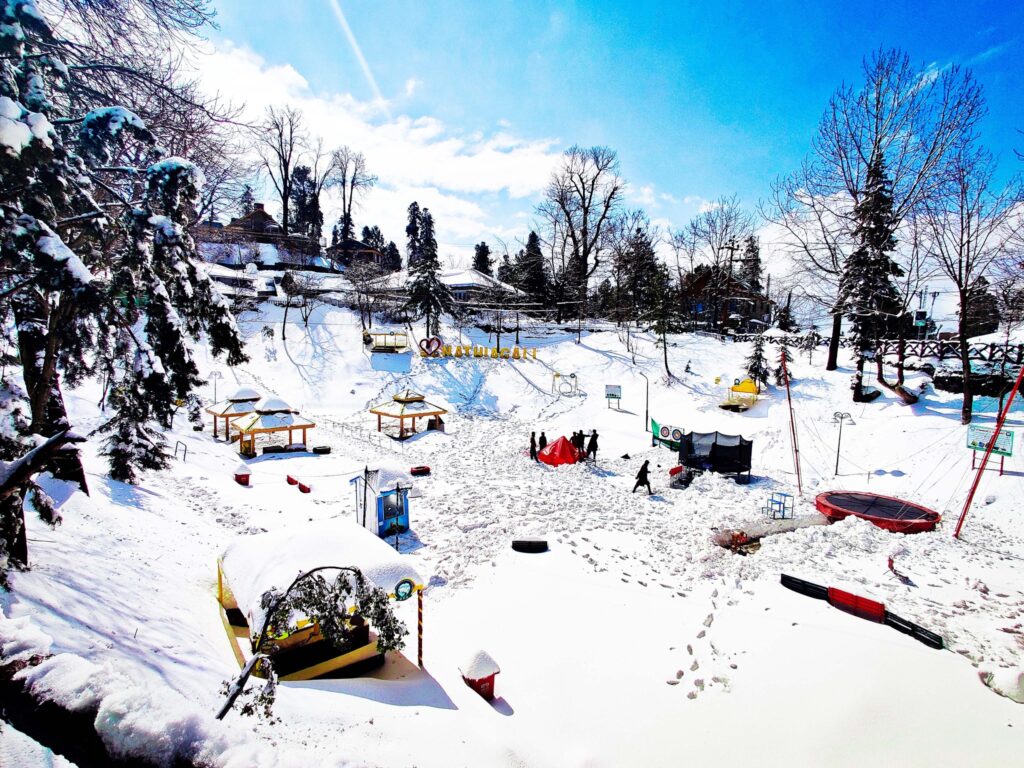
In the morning take the nearly 2 hour drive to Nathiagaliwhich at 2410m is the highest of the various hill stations established by the British Raj. Surrounded by pine forests, there are various small hikes one can do in the area. Upon arrival at Nathiagali, we will stroll around the chaotic bazaar, where some of the buildings were established during the British Raj. We will then pause for lunch at one of the local restaurants, before continuing our 1.5 hour drive through scenic pine forests to the garrison city of Abbottabad. On arrival at Abbottabad, we will check in to the hotel and then briefly visit the city, especially GurdwaraGali, and enjoy dinner in one of the local restaurants. Abbottabad is an old British Garrison town that was established after the first Anglo-Sikh War in 1846. However, the town flourished under its first Deputy Commissioner, Major James Abbott, who developed the town during his posting there from 1849 to 1853. Over the years, Abbottabad retained its military heritage becoming an important military cantonment home to four battalions of the British Gurkhas, and to this day the Pakistan Army has a strong presence in particular because of the prestigious Kakul Military Academy.
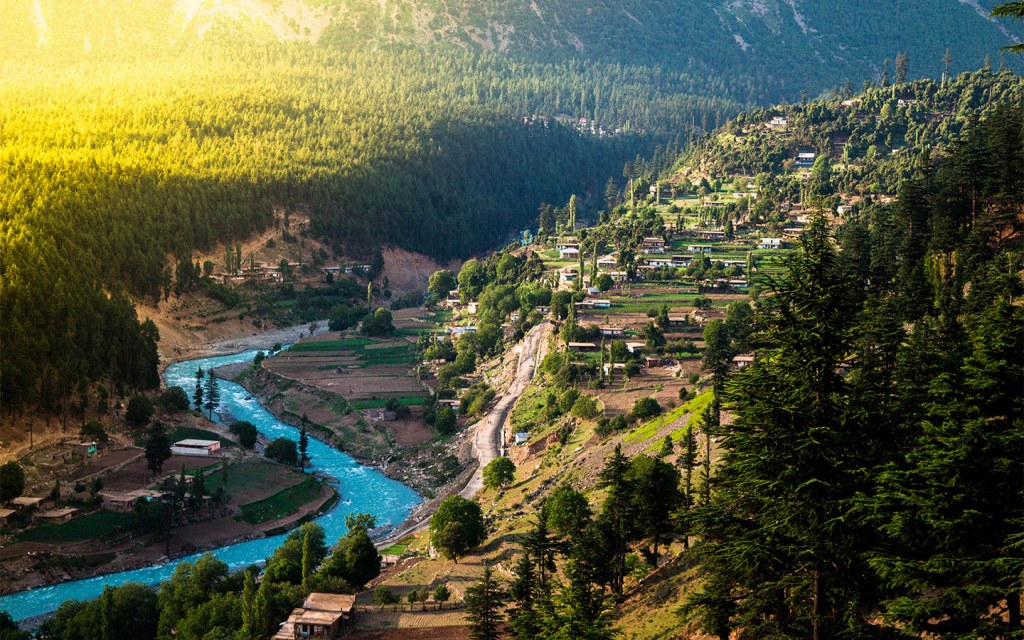
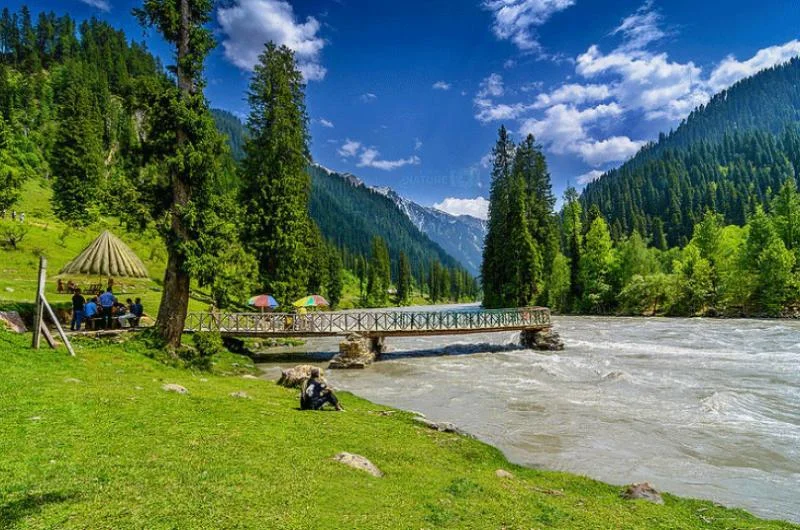
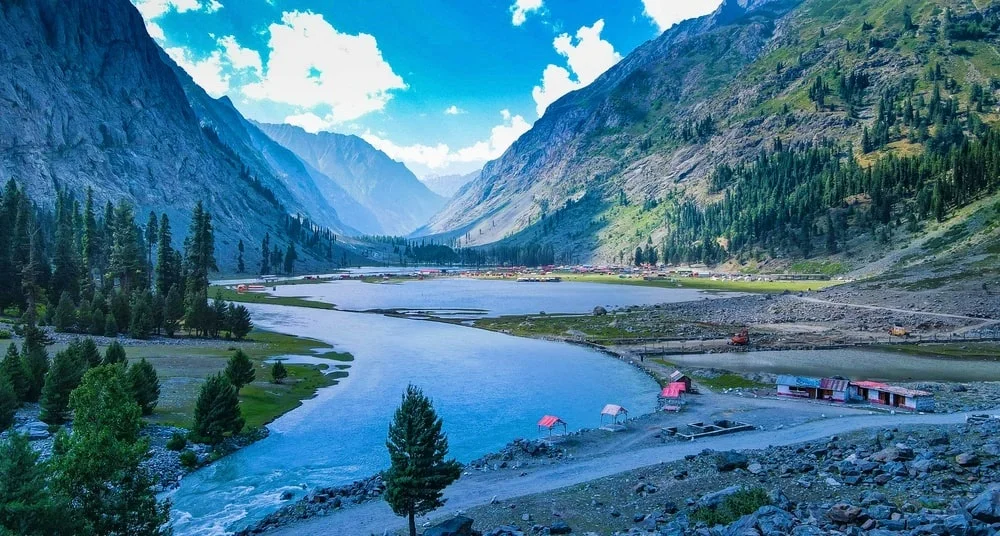
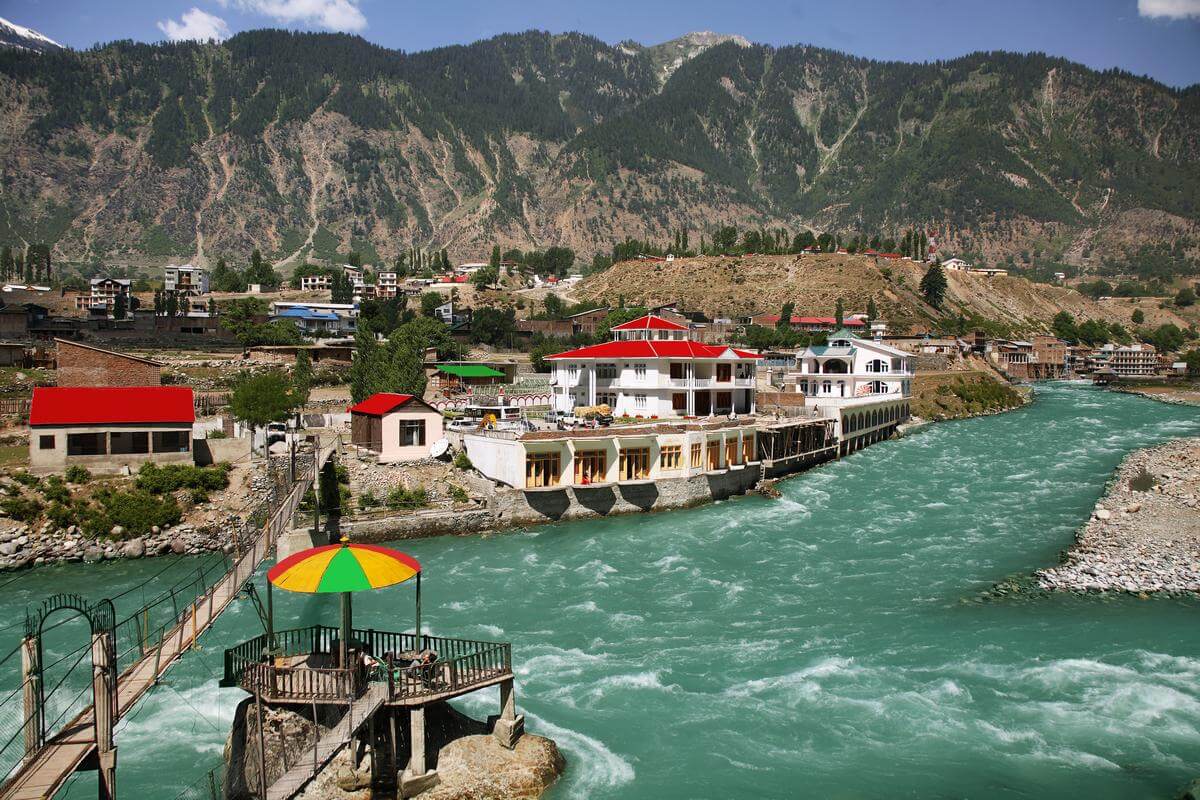
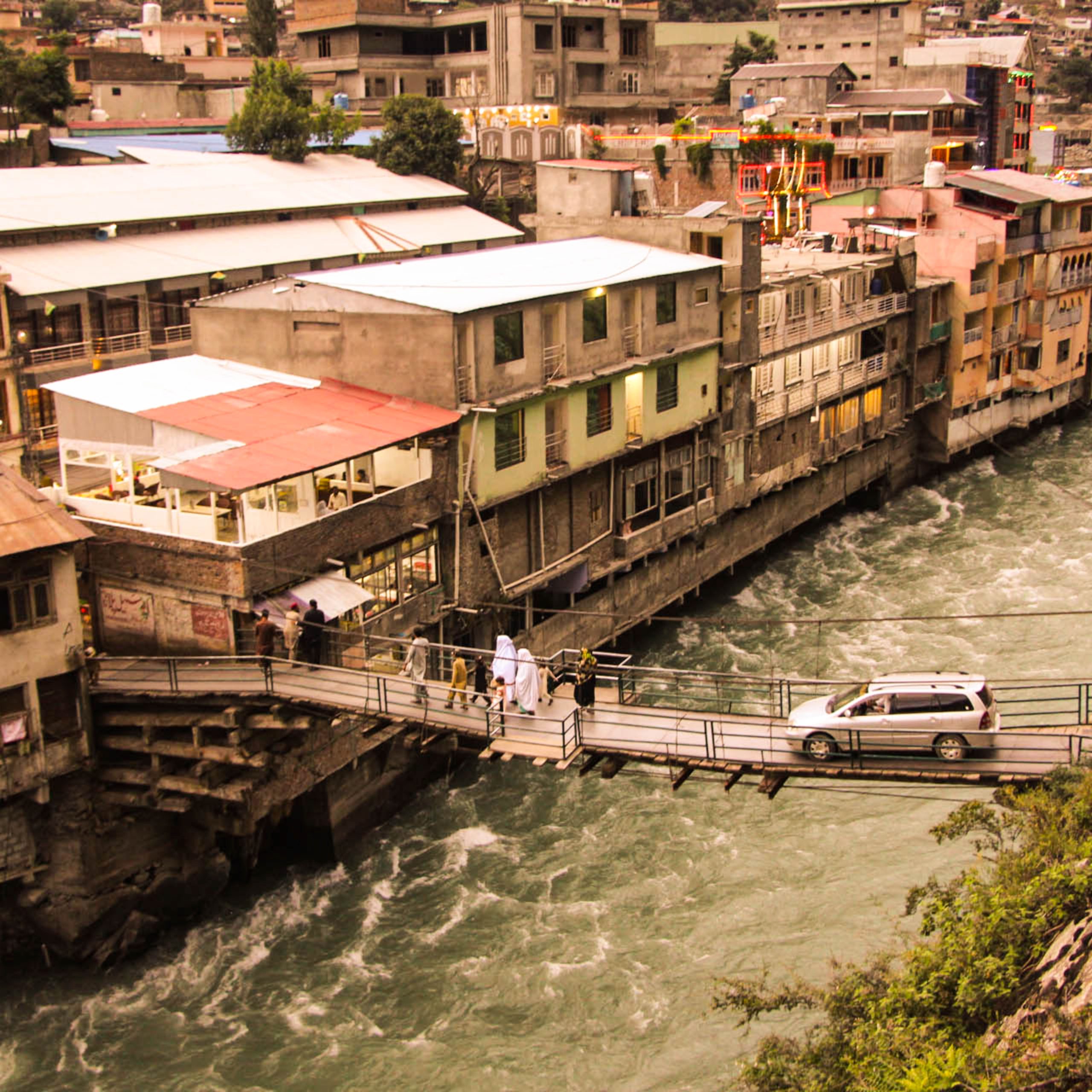
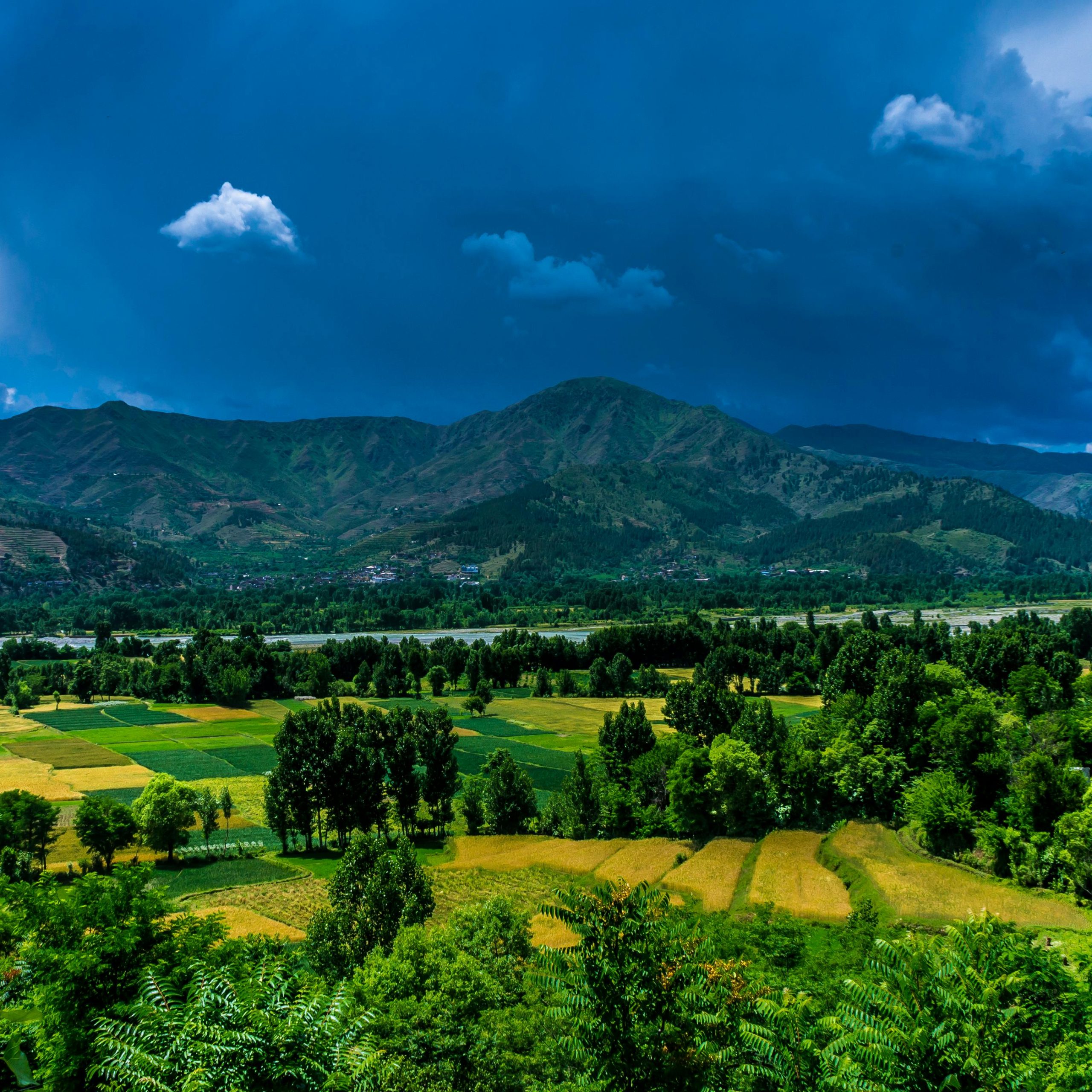
Today we will be taking a scenic drive alongside the Indus River, and a part of the Karakoram Highway, which is also known as the ‘Shahrah-e-Resham’ as it parallels the ‘Old Silk Road’. A few miles from Abbottabad, we will come to Thakot Bridge, where the Karakoram Highway begins. This 800 kilometer road connects with the Xinjiang Province in China, and is a marvel of modern engineering, which was built together with our Chinese brothers. Shortly after crossing Thakot, we will come to the Frontier Works Organization monument which stands as a testament to the many lives lost during the building of this road. We will arrive at the crossroads town of Besham, where we will have lunch at the PTDC motel, whose lawns abut the might Indus River. After lunch we will drive across the thickly alpine forested Shangla Pass, which at its apex is 3440m. Shortly after descending from the Pass we will arrive at Saidu Sharif, which was the old capital of the former kingdom of Swat. Arrive and transfer to the hotel. Overnight at the hotel. Swat is a land that shines with fruit laden orchards, flower filled slopes, meandering rivers, tumbling streams and is surrounded by the mighty ranges of the Hindu Kush and Karakoram. The valley is 1200 meters above sea level and Saidu Sharif and Mingora towns are the twin capital of this area. Kalam, 98 Kilometers from Saidu Sharif, is the last town accessible by car. At a height of 2200 meters it is surrounded on all sides by the snow peaks of the Hindu Kush range, dense forests of pine, fir, deodar and dotted with orchards of walnut and borders the Ushu stream.
In the morning visit of Swat includes the Swat Museum established in 1959 by the Wali-e-Swat. Its display was redesigned in the early 1990s by the Japanese and is one of the finest examples in the country. Beside Buddhist Art, the museum also houses ethnological collection and some proto-historic remains. From the museum, continue to Murghzar where you will behold the old white palace constructed from white marble and adorned with ornate carvings. From here we will explore Mingora where we will stop for lunch at a local restaurant. After lunch we will have free time to visit Mingora Bazaar, which is the commercial center worth visiting, for there you will find emeralds, embroidered textiles and wood work for which Swat is famous. Return to the hotel for overnight.
This morning we will proceed for an excursion of Malam Jabba, the newly rebuilt ski resort situated 45 kilometers north east of Mingora and open to the public. The Ski resort was developed with the assistance of the Austrian Government, and the slope is host to a regional ski tournament. Further there is, ice-skating and if you are adventurous, even ice fishing (in winter only)! A Buddhist stupa and monastery is a 15 minute walk away. There are two trekking trails near MalamJabba, one passes through Ghorband valley and the other to Shangla top. At 3000m, the views of swat valley and east to Karakorum are excellent. After a full day activity return continue drive to your hotel in Mingora/Saidu Sharif for overnight.
After a relaxed breakfast check out from the hotel for your return to Islamabad. On the way make a short stop at Takht-e-Bahi, a UNESCO World Heritage Site. Takht means (throne) and Bahi means (water) in Persian/Urdu. The monastic complex was called Takht-e-Bahi because it was built atop oh hill and also adjacent to a stream. Visit the unique stupa and monastic site which is a short climb uphill. After visiting Takht-e-Bhai continue your drive to Rawalpindi-Islamabad.
End of Our Services

Member Since 2026

Leave a review